

Child Development
Why Mixed-Age Learning Works: What We See Every Day at Our Nurseries
Written by Margaret, Owner & Director at The House That Jack Built
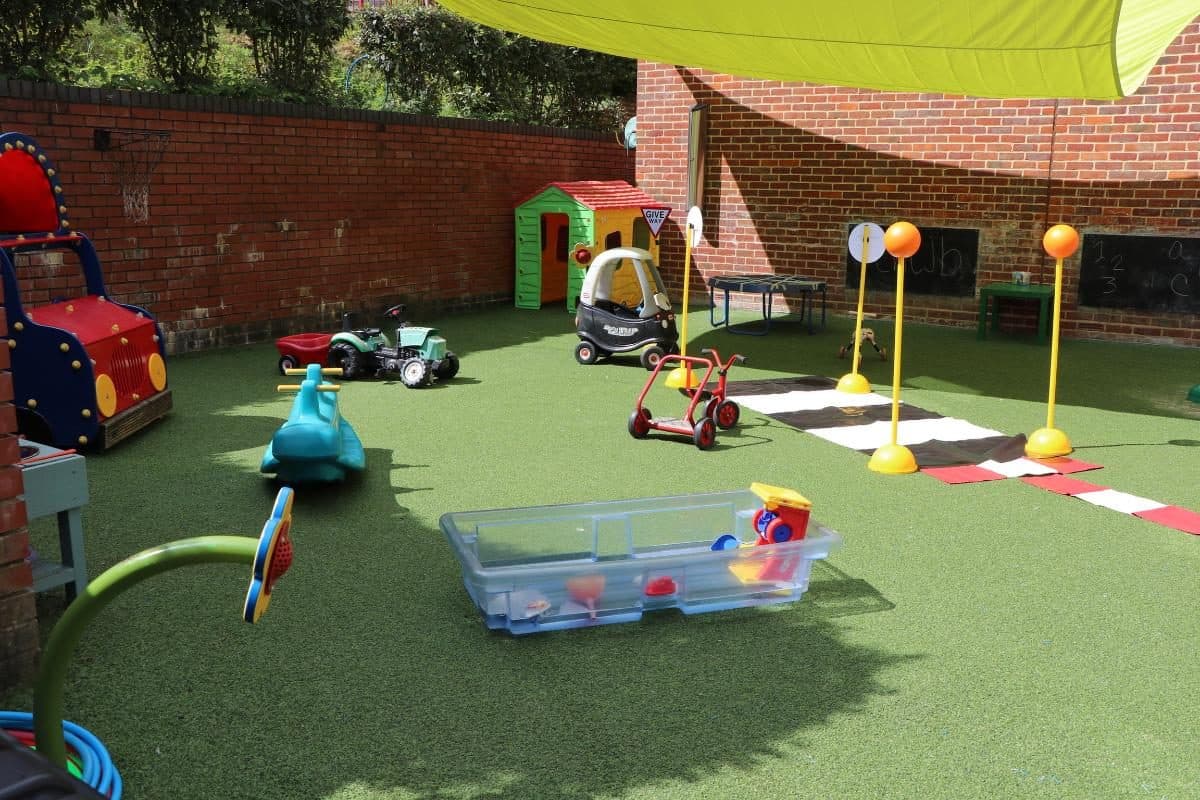
There is a moment I notice regularly in our nurseries, in Marlow, in Hazlemere, in the rooms at Flackwell Heath before renovation work began, where a three-year-old will crouch down beside a younger child who is struggling with a puzzle, and without any prompting from an adult, quietly show them how the pieces fit. Nobody asked them to do it. They just did.
That small moment is, for me, one of the clearest arguments for mixed-age group learning in the early years.
What mixed-age learning actually means
In an early years setting, mixed-age grouping means children of different ages and developmental stages spend time learning together, rather than always being separated into year-group cohorts. At The House That Jack Built, our free-flow approach means children move naturally between spaces and activities throughout the day, which naturally creates moments of interaction across ages. It is not something we force. It tends to happen organically when the environment is set up well.
This is quite different from a school model where children of different abilities are grouped together within the same year. Here, we are talking about genuine age spread, babies becoming toddlers, toddlers moving towards pre-school, pre-schoolers preparing for reception. Each stage learns something from the others.
What older children gain
We find that older children who spend time around younger ones develop something that is genuinely hard to teach directly: a sense of their own capability. When a four-year-old helps a two-year-old navigate the steps to the slide, or explains to a younger child how the water wheel works in our outdoor area, they are not just being kind. They are consolidating their own understanding.
There is also something meaningful happening around patience and communication. Explaining something to a younger child requires a child to find simpler words, to slow down, to read whether the other person has understood. These are sophisticated skills. We see children developing them naturally through these everyday interactions, in ways that no adult-led activity could fully replicate.
For children who are approaching school age, this kind of confident, purposeful interaction feeds directly into school readiness. The pre-schoolers in our Hazlemere and Marlow Bottom settings who have grown up alongside younger children often show real confidence in group situations.
What younger children gain
For our youngest children, learning from slightly older peers is something we observe to be genuinely powerful. Children watch other children with an intensity they do not always give to adults. A toddler will study a three-year-old attempting something new, and then go and try it themselves, often without needing any adult encouragement at all.
Younger children in mixed-age environments also tend to stretch their language earlier. Listening to older children use more complex vocabulary, ask questions, and narrate their play seems to pull younger children forward in their own communication. We notice this particularly during creative and imaginative play, when children of different ages build something together and the younger child absorbs the narrative, the words, and the social rules of play all at once.
There is also a settling effect. A younger child who is new to nursery and feels uncertain will often gravitate towards an older child who seems calm and confident in the space. That informal reassurance, child to child, can ease a settling-in period in ways that even the most attentive key person cannot fully provide on their own.
How we support it without over-managing it
Our approach has always been to set up environments that invite interaction across ages, then step back and observe. That means thinking carefully about where resources are placed, how spaces are arranged, and when to let a moment develop without adult intervention.
The EYFS statutory framework asks us to respond to individual children and plan around their development rather than their age alone. Mixed-age groupings support this naturally, because we are always watching children as individuals rather than assuming a child of a certain age should be at a certain point.
Our key person system works alongside this. Every child has a named key carer who knows them well, tracks their development, and plans experiences that are right for them. That individual knowledge is what allows mixed-age learning to work safely and meaningfully, because practitioners can step in when needed and step back when it is better to let children lead.
A note for families thinking about nursery
Parents across Marlow, Hazlemere and the wider High Wycombe area sometimes ask us whether it matters that their child might not always be with children the same age. In our experience, it is often one of the things families come to value most. Children form friendships across age groups. They develop confidence, empathy and communication in ways that feel natural rather than taught.
If you would like to see this for yourself, we would love to show you around. You are welcome to book a show-around at our Marlow Bottom or Hazlemere settings, where you can watch how our rooms and outdoor spaces work in practice. We also accept 15 and 30 hours funded childcare places, and you can find full details on our fees and funding page.
Come and see us for yourself
Book a relaxed tour of The House That Jack Built and meet our team.
Book a tourOther guides you might like
Child Development
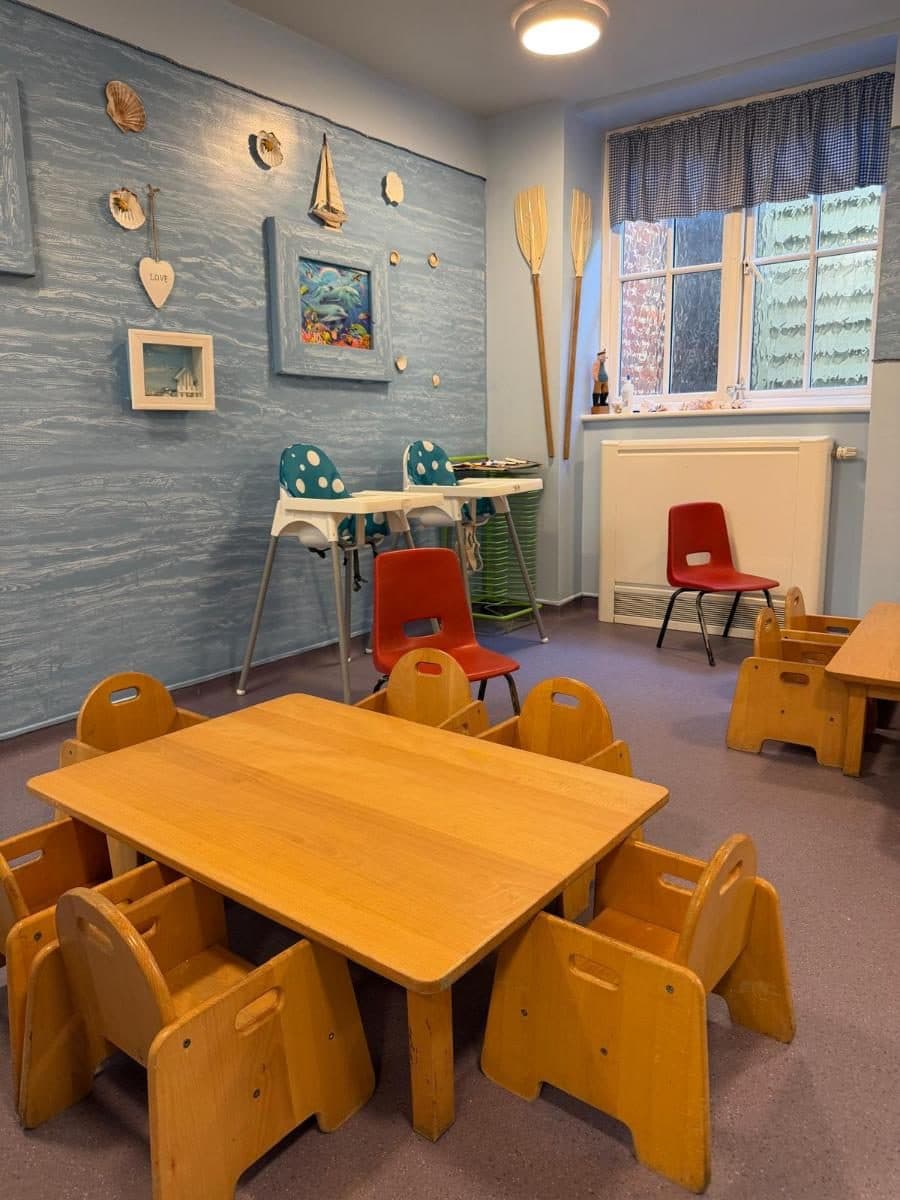
Sleep, Rest and Development: What We See at Nursery Every Day
Sleep is one of the quieter but more powerful parts of a young child's development. Margaret, Owner and Director at The House That Jack Built, shares what she and her team observe day to day across their Marlow, Hazlemere and High Wycombe nurseries.
Child Development
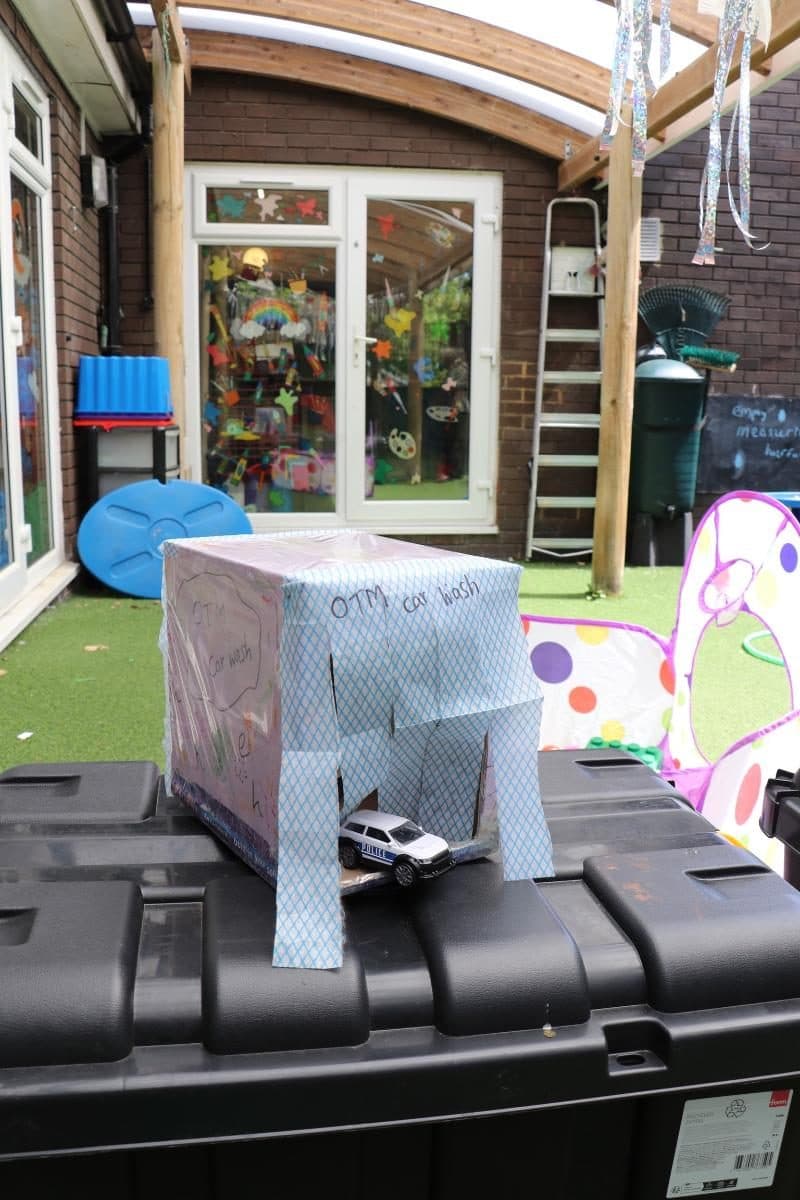
How nursery life helps young children learn to get along
Social skills don't arrive fully formed — they develop gradually through everyday moments of play, conflict and connection. Here's how we support that process at The House That Jack Built.
Settling In
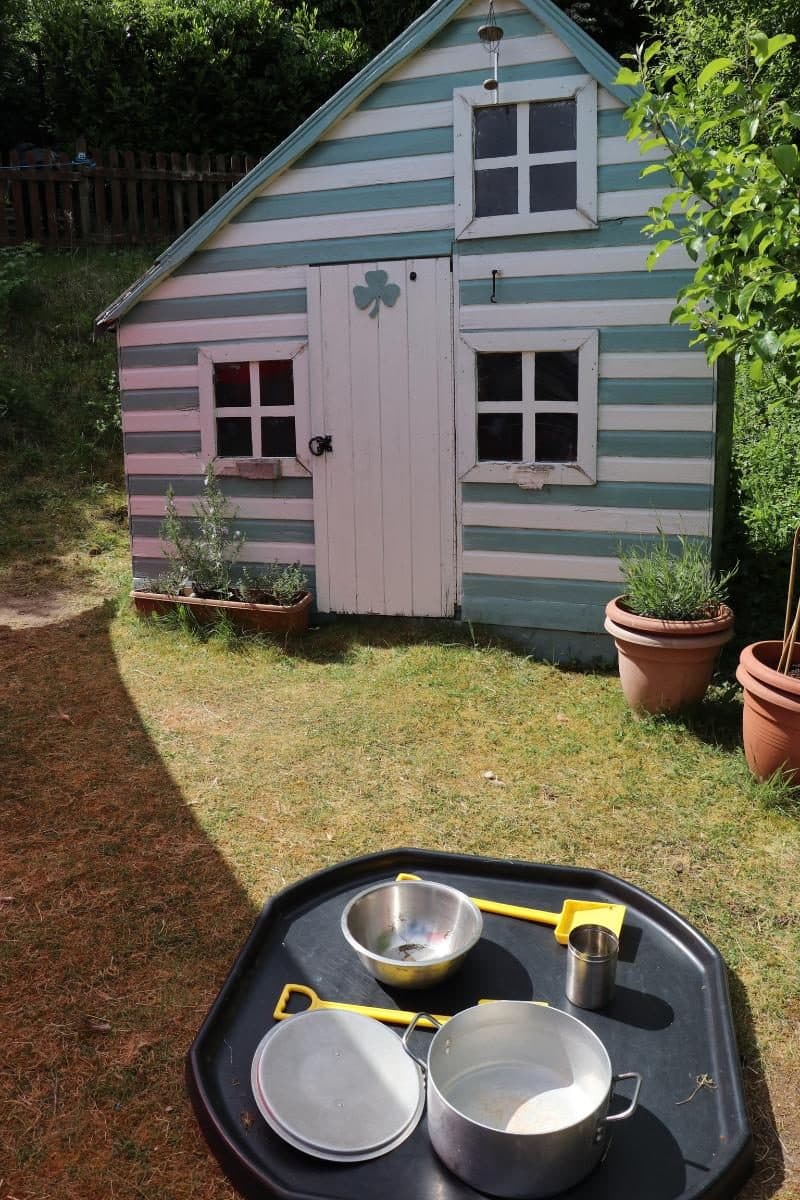
Helping Your Child Settle Into Nursery: What Actually Works
Starting nursery is a big step for children and parents alike. Here's what we've learned over more than two decades of helping families through those first days and weeks.
Frequently asked questions
Does mixing ages mean younger children might be overwhelmed or left behind?
In our experience, the opposite tends to happen. Younger children often thrive when they can observe and interact with older peers. Our key person system means every child is known individually, and practitioners keep a close eye on how each child is experiencing the group, stepping in when needed and giving space when the child is leading confidently.
Do older children miss out on age-appropriate challenge if they spend time with younger children?
We plan experiences that meet each child where they are developmentally, so older children are always given appropriate stretch and challenge. Time spent alongside younger children adds something different: it builds confidence, language, and empathy. We find it complements rather than replaces the more structured, ability-led activities our pre-schoolers engage in as they prepare for school.
How does The House That Jack Built approach age groupings across its nurseries?
We have settings in Marlow Bottom and Hazlemere, each with dedicated Babies, Toddlers and Pre-School rooms, but our free-flow approach naturally creates moments where children of different ages interact throughout the day. We believe children learn a great deal from one another, and we design our environments to support that. You are welcome to book a show-around to see how it works in practice.
Can I use funded childcare hours at The House That Jack Built?
Yes, we accept both the universal 15 hours per week for all three and four year olds, and the 30 hours per week available to eligible working families, which now applies from 9 months old. To check whether you qualify for the 30 hours, visit the Childcare Choices website. Full details of how funding works with our fees are on our fees and funding page.