

Child Development
How nursery life helps young children learn to get along
Written by Margaret, Owner & Director at The House That Jack Built
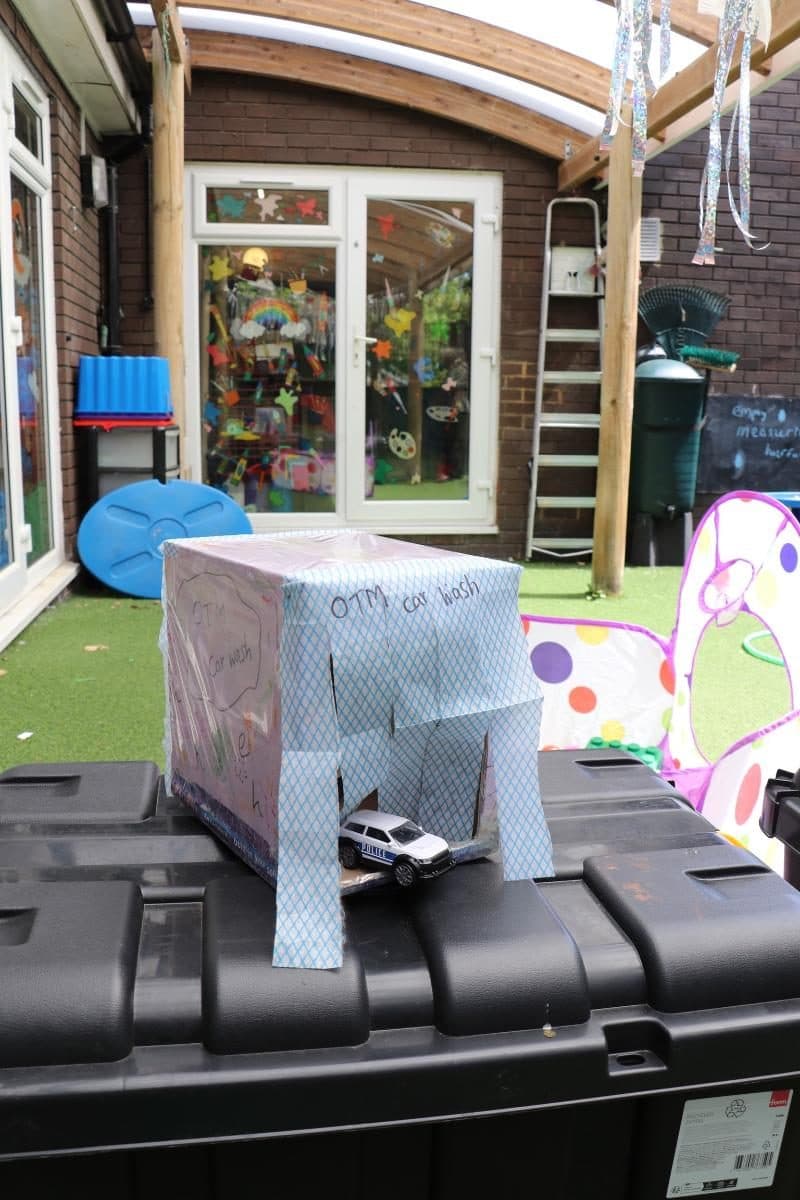
Social skills are not something children either have or don't have. They grow slowly, through thousands of small moments: waiting for a turn, sharing a spade in the sandpit, finding words for a feeling that is threatening to overflow. At our nurseries in Marlow, Hazlemere and High Wycombe, I see this process playing out every single day, and it never stops being interesting to watch.
What social development actually looks like in the early years
Parents sometimes worry when a two-year-old grabs a toy without a second thought, or when a three-year-old dissolves into tears because someone sat in "their" spot. This is completely normal. Young children are still working out where they end and other people begin. The self-centred behaviour that can look alarming in a toddler is actually a healthy stage, not a character flaw.
What we are looking for, and gently encouraging, is gradual progress: a child who at two years old would snatch without looking starts, by three or four, to hesitate, to notice the other child's face, to sometimes decide to wait. That shift does not happen through lectures. It happens through repeated, supported experience.
How the nursery environment helps
One of the things that makes nursery such a rich setting for social learning is that children are alongside peers all day long. At home, interactions are often with adults who naturally accommodate and smooth things over. In a nursery room, you have fifteen children all with their own ideas about who should use the red bike.
At The House That Jack Built we use a free flow system, meaning children can move between indoor and outdoor spaces throughout the day rather than sitting in fixed groups. What this means in practice is that children form and reform their own small social groups naturally. We see children choose to spend the morning with one friend, then drift towards a different group at lunch, then negotiate a shared project in the garden in the afternoon. That fluidity gives them far more practice at joining groups, leaving groups and reading social situations than a structured session ever could.
Our key person system also plays a part here. Every child has a key carer who knows them well, tracks how they are developing and can offer the right level of support in the moment. For some children that means stepping in quickly when a conflict is escalating; for others it means hanging back and letting them find their own resolution, only intervening if needed. Getting that balance right requires knowing the child, and that is exactly what the key person relationship is built to do.
What we actually do in the moment
When disagreements happen, and they will happen, we try not to rush to fix things. We use language to name what is going on: "It looks like you both wanted the same book. That's really hard, isn't it. What could we do?" Even with very young children, narrating the social moment helps them build vocabulary for emotions and an understanding that other people have feelings too.
A few things we find genuinely help:
- Keeping groups manageable. Small group activities give quieter children a chance to contribute without being drowned out.
- Using books and imaginative play. Stories are one of the most powerful tools we have. A character in a book who is left out, or who says sorry, opens up conversations that children absorb deeply.
- Praising the process, not just the outcome. "I noticed you waited for your turn there, that was kind" lands differently than a general "well done".
- Modelling it ourselves. Children watch how adults treat each other. We are mindful of that.
The role families play
Social learning does not stop at the nursery gate. We find that children make the fastest progress when there is consistency between home and nursery. We talk with parents at daily handover and in our regular parents' evenings about what we are noticing, what language we are using, and how families can reinforce the same ideas at home. If a child is finding a particular aspect of social interaction more challenging, we will raise it early rather than wait, and we work together on a plan.
Families across Marlow, Hazlemere and High Wycombe tell us that one of the things they value most is feeling like partners in their child's development, not just recipients of a report at the end of term. That partnership matters especially when it comes to something as nuanced as social skills, because the adults around a child are, in the end, its most important social teachers.
A thought on timing
Parents sometimes ask whether starting nursery younger or older makes a difference to social development. There is no single right answer, and we would not pretend there is. What we do know from our experience is that children who have time to settle properly, who feel safe and known, tend to be far more willing to take the social risks that learning requires: approaching a new child, trying a new group, speaking up in a moment of conflict. Settling in well is the foundation everything else is built on.
If you would like to see how we work in practice, we would love to show you around. You can book a show-around at any of our settings, and we are always happy to talk through where your child is developmentally and how we might support them.
Come and see us for yourself
Book a relaxed tour of The House That Jack Built and meet our team.
Book a tourOther guides you might like
Settling In
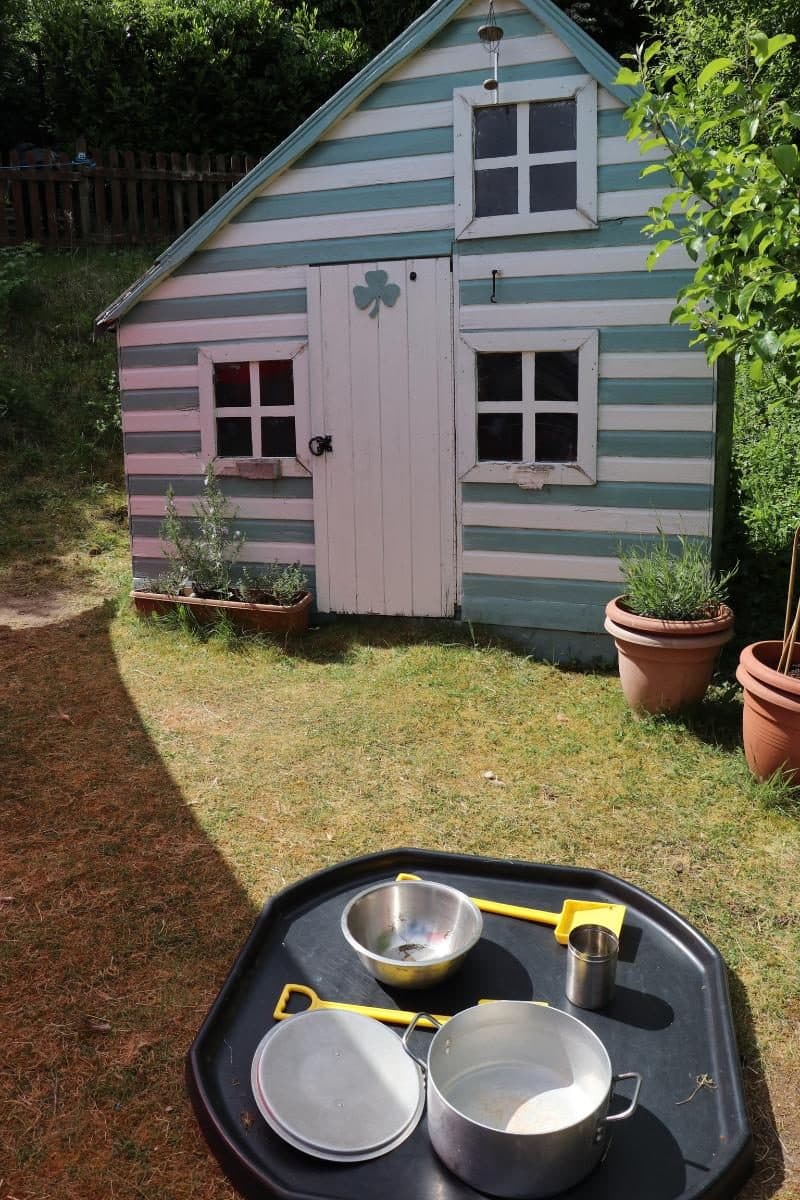
Helping Your Child Settle Into Nursery: What Actually Works
Starting nursery is a big step for children and parents alike. Here's what we've learned over more than two decades of helping families through those first days and weeks.
Settling In
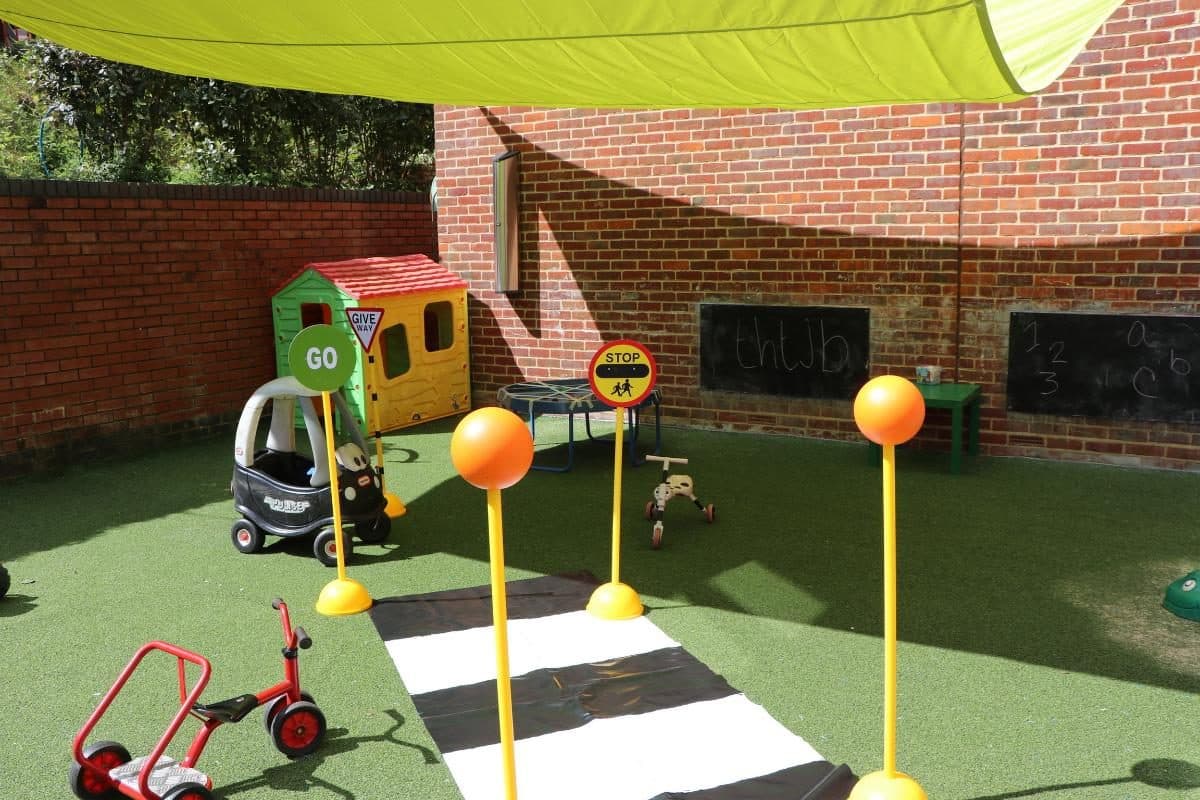
What to Expect in Your Child's First Week at Nursery
The first week at nursery can feel like a big step for the whole family. Here is an honest picture of what those early days usually look like, and how we help children and parents through them.
Tips for Parents
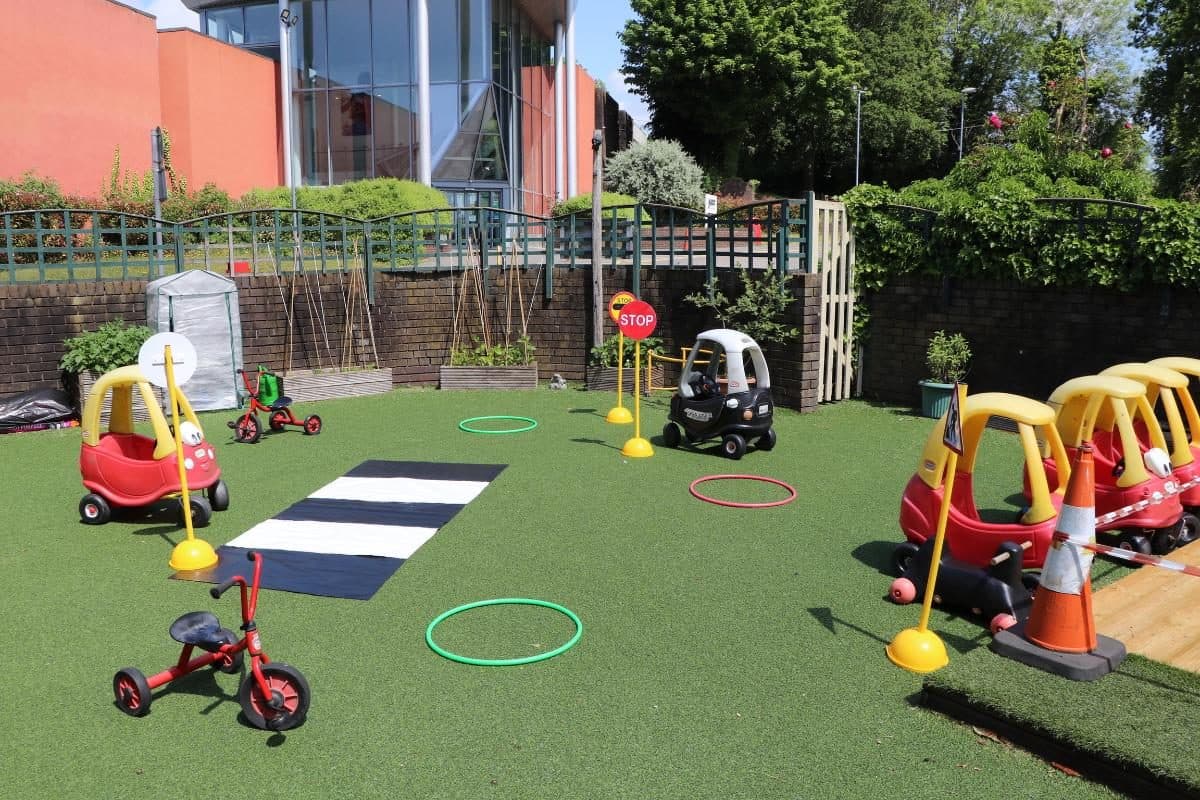
Understanding Your Free Childcare Hours in Buckinghamshire
Free childcare funding can feel complicated, but it doesn't have to be. Here's a straightforward guide to what you're entitled to in Buckinghamshire, and how we apply it at The House That Jack Built.
Frequently asked questions
My child is quite shy and finds it hard to join in with other children. Is this something nursery can help with?
Yes, and it is one of the things we see nursery do really well. Shyness often eases gradually when a child feels genuinely safe and known. Our key person system means every child has a trusted adult who can support them to join in at a pace that suits them, without pressure. Progress is usually quiet but real.
At what age do children start to play together rather than alongside each other?
Parallel play, where children play near each other without truly interacting, is completely typical up to around three years old. Cooperative play, where children negotiate, take roles and share a purpose, usually develops more strongly from three onwards. We support both stages and never rush children from one to the next.
How does The House That Jack Built support children who find social situations more challenging?
We are committed to full inclusion and early identification. If we notice a child finding social interaction consistently difficult, we talk with parents early and, where helpful, work alongside external professionals to put the right support in place. We would always rather raise something gently than wait and wonder. Book a show-around to chat this through with us in person.
Does funded childcare cover sessions at The House That Jack Built?
Yes, we accept both 15 and 30 hours funded childcare. The universal 15 hours is available to all three and four year olds regardless of parental income or work status. The 30 hours has eligibility conditions based on income and working hours. Visit our fees and funding page or check your eligibility at childcarechoices.gov.uk.