

Settling In
Helping Your Child Settle Into Nursery: What Actually Works
Written by Margaret, Owner & Director at The House That Jack Built
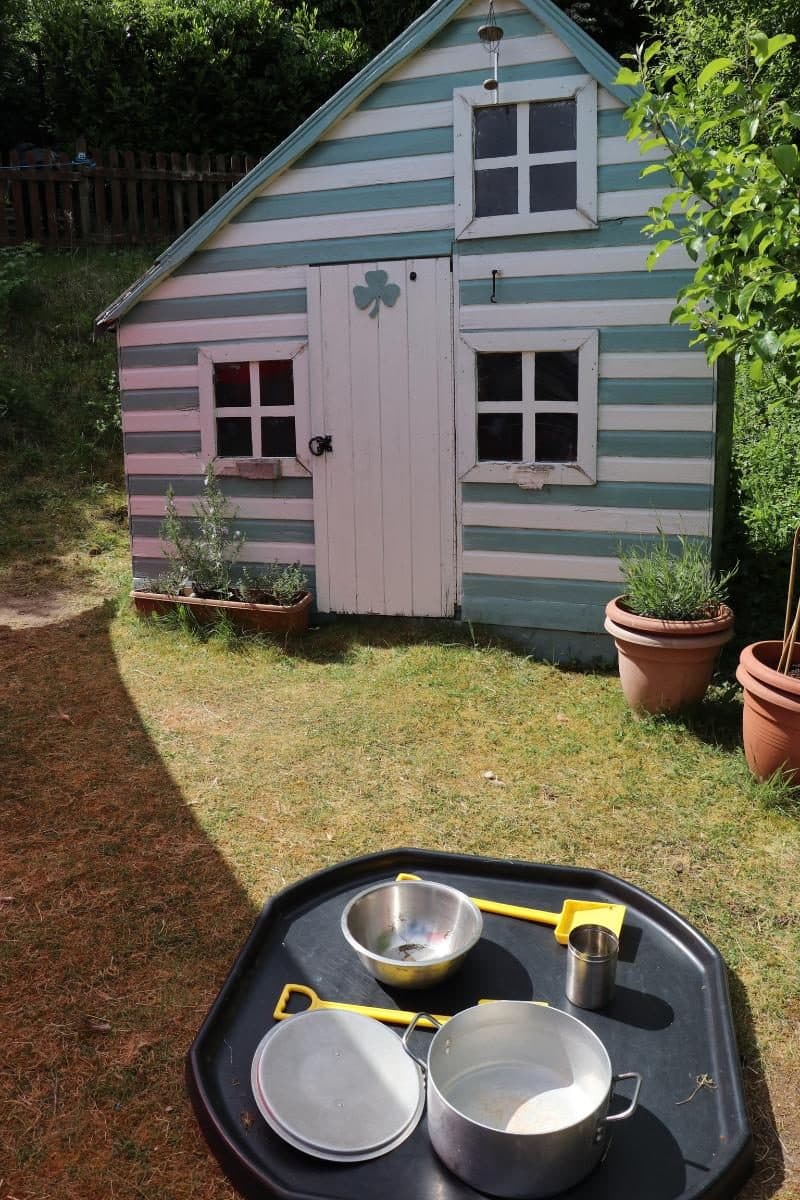
Starting nursery is a big moment. I've watched hundreds of children come through our doors for the first time across our settings in Marlow, Hazlemere and High Wycombe, and I can tell you honestly that the settling-in period looks different for every child. Some skip in and barely glance back. Others need several weeks before they feel truly at home. Both are completely normal, and both are something we're well practised at supporting.
What I want to share here isn't a checklist of tips copied from a parenting handbook. It's what we actually see working, day in and day out.
Start before the first day
One of the most useful things a family can do is talk about nursery in the weeks leading up to the start date. Not with pressure or fanfare, but naturally. Point out other children heading into settings. Read books together that feature nursery or playgroup life. If your child has a favourite toy or comforter, mention that it can come with them.
At The House That Jack Built, we offer two settling-in sessions before a child officially starts. These are typically around two to two and a half hours, and they serve a real purpose. Your child gets to explore the space, meet their key carer, and start to understand that this is a place where good things happen. If we sense a child needs more time, we build on those sessions. There's no fixed timeline we're trying to rush anyone through.
The key person makes a genuine difference
Every child here is assigned a key carer, a named person responsible for a small group of children who gets to know your child well. They track development, plan activities suited to where your child is right now, and are your main point of contact day to day.
For a child who's anxious at drop-off, having one familiar face to look for and move towards matters enormously. We ask parents to use the settling-in sessions to introduce themselves to their child's key carer too, because when a child sees their parent talking comfortably with someone, it sends a quiet but powerful message: this person is safe.
What to expect at drop-off
This is the part many parents find hardest. A child who was perfectly calm on the way in can dissolve the moment it's time to say goodbye. This is completely typical, and it doesn't mean nursery is wrong for them.
A few things we'd gently suggest:
- Keep your goodbye short and consistent. A brief, warm farewell followed by a confident departure is easier for your child to process than a prolonged goodbye that signals uncertainty.
- Don't linger outside the door. Children often settle within minutes of a parent leaving, and knowing this can help.
- Create a simple goodbye ritual, a special wave, a phrase you always use. Children find repetition reassuring.
- Trust us to call you. If your child is genuinely unsettled for an extended period, we will contact you. A quiet child is not a forgotten child, but we know that silence from the nursery can feel unsettling in those early weeks, and we aim to give you a proper handover at pick-up every day.
Talk about the nursery day at home
Children who hear nursery mentioned positively at home settle more readily. Ask open questions in the evening: what did you play with today, who did you sit next to at lunch, did you go outside? Even if you get very little back, you're signalling that nursery is a normal, good part of life.
Our families in Hazlemere often hear about the park we visit on outings. Children at our Marlow Bottom setting come home muddy from the outdoor space. These specific details give children and parents something real to talk about, which helps.
Food, routine and comfort objects
Familiarity helps children feel secure. Bring a comforter if your child has one. Label everything. We prepare all meals fresh on site from a seasonal menu, but if your child has dietary requirements or strong preferences, tell us at the settling-in meeting so we can make sure mealtimes feel welcoming from the start.
Routine matters too. The more consistent your morning is, the easier drop-off tends to be. Children who know what's coming find transitions less alarming.
It takes as long as it takes
I've seen children who seemed settled from day one hit a wobble at six weeks. I've seen children who cried every morning for a month and then one day simply stopped and ran in. The settling-in period isn't a pass or fail, it's a process, and your child is telling you something important about how they experience change. That's worth knowing.
What I can tell you is that the children who feel most settled are almost always those whose parents stayed connected with us during those early weeks, asked questions, shared things from home, and trusted us to do the same in return.
If you're thinking about nursery places in Marlow, Hazlemere or High Wycombe and would like to see how we work, I'd encourage you to book a show-around first. It's the best way to get a proper feel for the setting and ask anything on your mind.
Come and see us for yourself
Book a relaxed tour of The House That Jack Built and meet our team.
Book a tourOther guides you might like
Settling In
What to Expect in Your Child's First Week at Nursery
The first week at nursery can feel like a big step for the whole family. Here is an honest picture of what those early days usually look like, and how we help children and parents through them.
Tips for Parents
Understanding Your Free Childcare Hours in Buckinghamshire
Free childcare funding can feel complicated, but it doesn't have to be. Here's a straightforward guide to what you're entitled to in Buckinghamshire, and how we apply it at The House That Jack Built.
Tips for Parents
How to Apply for Funded Childcare Hours in Marlow: Your 2026/27 Guide to Buckinghamshire Council Codes
Applying for funded childcare in Buckinghamshire involves a few steps that can trip families up if they are new to the process. This guide walks Marlow parents through every entitlement, from 9 months old to school age, and explains exactly how to get your code to us.
Frequently asked questions
How long does settling in usually take?
There's no single answer to this. Some children adjust within a week or two; others take six to eight weeks before they feel genuinely at home. We find that consistent routines, a strong relationship with a key carer, and good communication between nursery and home tend to shorten the process significantly.
Should I stay at drop-off if my child is upset?
We generally find that a warm, brief goodbye followed by a confident departure is kinder than prolonging the moment. Children often settle within a few minutes of a parent leaving. A simple, repeated goodbye ritual helps children know what's coming. We will always contact you if a child remains distressed for an extended period.
How does settling in work at The House That Jack Built?
We offer two settling-in sessions of around two to two and a half hours before your child officially starts. These introduce your child to the environment and their key carer, and the second session includes a welcome meeting covering how we work. If a child needs more time, we build on those sessions. Book a show-around to come and see us first.
Can my child bring a comforter or favourite toy?
Yes, absolutely. In our baby room, every child has their own box for clothes, nappies and comforters. For toddlers and older children, a familiar object from home can make a real difference during those first weeks. Just make sure anything coming in is clearly labelled, and let your child's key carer know what it is.