

Child Development
Sleep, Rest and Development: What We See at Nursery Every Day
Written by Margaret, Owner & Director at The House That Jack Built
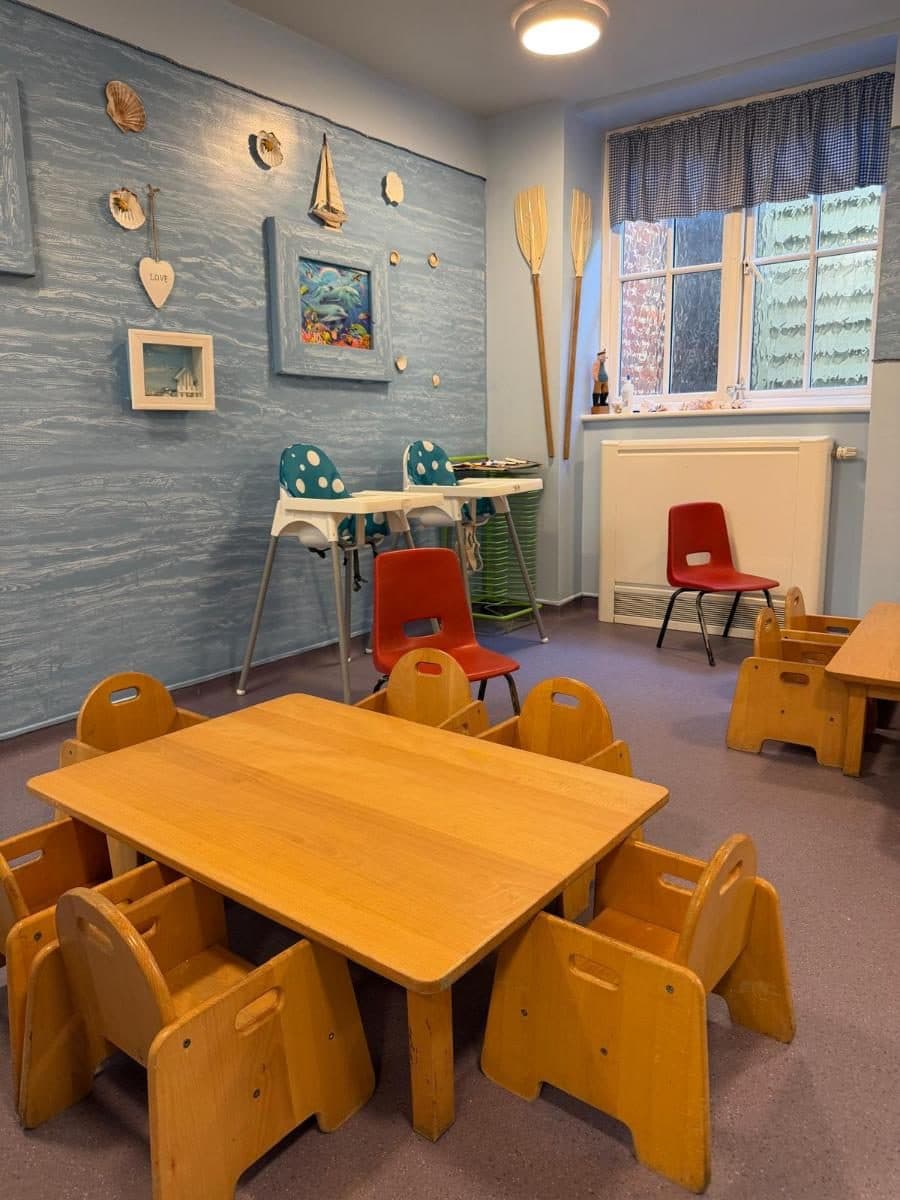
Sleep does not often get the attention it deserves in conversations about early childhood. We talk a lot about activities, meals, outdoor play and learning through exploration, and rightly so. But in over two decades of running nurseries, I have come to believe that how a child sleeps, and how well we support that, shapes almost everything else about their day.
What sleep actually does for young children
When a baby or toddler sleeps, their brain is far from idle. Sleep is when the brain consolidates what it has taken in during waking hours, filing away new words, movements, faces and experiences. For children from three months up to five years, this process is happening at an extraordinary rate. The learning we do through play in the morning genuinely continues, in a different way, during an afternoon rest.
We follow the NHS Start for Life guidance as a helpful foundation, but what I find most useful is simply watching children closely and responding to what they show us. No chart tells you quite as clearly as a child's behaviour whether they have had enough rest.
What we observe across our settings
Across our nurseries in Marlow, Hazlemere and the High Wycombe area, we care for children from as young as six weeks right through to school age. The sleep needs across that span are enormous.
Our babies sleep when they need to. We do not operate a fixed nap timetable in the baby room. Instead, we follow each child's lead, checking on sleeping babies every ten minutes, and recording sleep as part of their daily diary so parents always know how the day has gone. Every family is different, and what works at home matters to us when we are settling a new child in.
In our toddler rooms, we build a regular rest or sleep into the daily routine. Some children sleep deeply. Others simply need to slow down, have a quiet moment with a soft toy or lie still for a little while. Both are valuable. We find that children who resist sleep most strongly in the afternoon are often the ones who need it most, and a calm, consistent approach makes a real difference over time.
By pre-school age, many children are dropping their daytime sleep altogether. We still encourage a quieter period in the day, particularly as the children in our pre-school rooms are doing more structured, confidence-building work across all seven areas of the Early Years Foundation Stage. That cognitive load is real, even if it does not look like hard work from the outside.
The connection between sleep and behaviour
This is something parents often raise with us, particularly when a child is going through a tricky patch. We see it consistently: children who are well rested are more able to regulate their emotions, engage with others, try new things and tolerate frustration. That is not a judgement on any family. Sleep in early childhood is genuinely hard, and every child goes through unsettled periods.
What we try to offer at nursery is consistency. The same calm routine, the same familiar faces, the same quiet cues that it is time to rest. For many children, the predictability of the nursery day is itself settling. We work closely with parents so that what we do at nursery and what happens at home are as joined-up as possible.
Things that help
From what we have seen across many years and many children, a few things tend to make a genuine difference:
- Consistency in timing. Naps and rest periods at roughly the same time each day help children's bodies anticipate rest.
- A wind-down before sleep. Moving from active play to quiet activity, then rest, is much easier for a child's nervous system than stopping suddenly.
- Familiar comfort objects. We actively encourage families to send in comforters. A small soft toy or cloth that smells of home can make a real difference in an unfamiliar environment.
- Outdoor time earlier in the day. We find that children who have had good fresh air and physical activity in the morning tend to settle more readily in the afternoon. Our free-flow approach, with access to outdoor space throughout the day, supports this naturally.
- Talking to your nursery. If sleep is a struggle at home, tell us. We can share what we observe during the day and think together about what might help.
When sleep patterns change
It is worth knowing that sleep disruption is often a sign that something developmental is happening, not that anything is wrong. Growth spurts, new teeth, learning to walk, starting to talk in sentences, all of these can temporarily affect sleep. We see these phases regularly, and they pass. What helps most is staying calm, keeping routines as steady as possible and, where needed, asking for support.
If you are a family in Marlow, Hazlemere or the wider High Wycombe area and you would like to see how we approach rest, routine and the whole nursery day, I would really encourage you to come and have a look around. We would be happy to show you the baby room, talk through how we handle sleep day to day, and answer any questions you have. You are very welcome to book a show-around at whichever of our settings suits you best.
Come and see us for yourself
Book a relaxed tour of The House That Jack Built and meet our team.
Book a tourOther guides you might like
Child Development
How nursery life helps young children learn to get along
Social skills don't arrive fully formed — they develop gradually through everyday moments of play, conflict and connection. Here's how we support that process at The House That Jack Built.
Settling In
Helping Your Child Settle Into Nursery: What Actually Works
Starting nursery is a big step for children and parents alike. Here's what we've learned over more than two decades of helping families through those first days and weeks.
Settling In
What to Expect in Your Child's First Week at Nursery
The first week at nursery can feel like a big step for the whole family. Here is an honest picture of what those early days usually look like, and how we help children and parents through them.
Frequently asked questions
How does the nursery handle sleep for babies?
In our baby rooms, sleep is led entirely by the individual child rather than a fixed timetable. Sleeping babies are checked every ten minutes by staff, and each baby has their own sleep and nappy chart so parents can see exactly how the day has gone. We follow each child's cues and work closely with families to keep home and nursery as consistent as possible.
What should I do if my child is finding it hard to sleep at nursery?
Talk to us. We share daily observations with parents at pick-up and through your child's diary, and if sleep is proving difficult we will look at it together. Bringing a familiar comforter from home often helps, and we will always work with you to find a calm, consistent approach that suits your child.
Do toddlers and pre-schoolers at The House That Jack Built still have a rest period?
Yes. Our toddler rooms include a regular rest or sleep as part of the daily routine, and even in pre-school we build in quieter periods during the day. Not every child sleeps by that age, but all children benefit from slowing down. We tailor this to where each child is developmentally rather than applying a fixed rule.
Can I visit the nursery to see how the daily routine works before my child starts?
Absolutely. We encourage every family to come and see the nursery in person before making any decisions. You can see the rooms, meet the team and ask us anything about how we approach the day, including rest and sleep. We have settings in Marlow Bottom and Hazlemere, and you are very welcome to book a show-around at either.