

Settling In
What to Expect in Your Child's First Week at Nursery
Written by Margaret, Owner & Director at The House That Jack Built
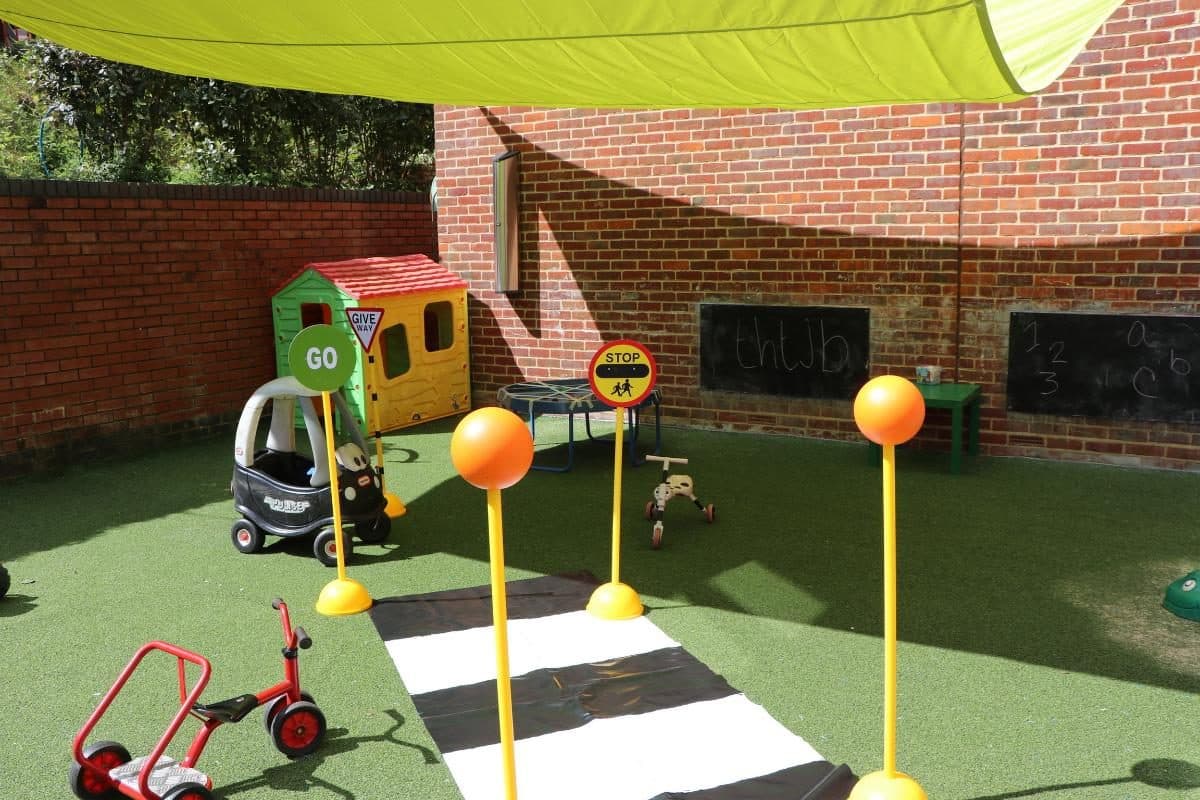
The first week at nursery is rarely what parents imagine it will be, and I mean that in the best possible way. Over the years of running The House That Jack Built across our settings in Marlow, Hazlemere and High Wycombe, I have sat with hundreds of families on the other side of that first drop-off. The range of reactions, from children who barely look back to children who cling and cry, is completely normal. What I want to do here is give you an honest picture of what those early days tend to look like, so you feel a little more prepared.
Before the first day even arrives
By the time your child's first official day comes around, we will already have met. Our settling-in process involves two short sessions of around two to two and a half hours before the start date. We find this makes an enormous difference. Children arrive on day one with some familiarity with the space, the faces, and the smells. Parents have had a chance to meet their child's key carer and ask the questions that have been building up since registration.
If those two sessions feel like they are not quite enough, we can build on them. We would always rather take a little more time than rush a child into something they are not ready for.
Day one: what it often looks like
Drop-off on the first morning is usually the hardest moment, and not always for the child. I have handed tissues to more parents than I can count. It is completely understandable. You are leaving someone very small with people who are still, to some degree, strangers to you.
What tends to happen after you leave is something we see again and again: children settle faster than their parents expect. Some take ten minutes. Others take a little longer. A familiar comforter from home helps, which is why we always ask families to bring one. Our staff are experienced at reading what a child needs in those first moments, whether that is a quiet corner with a book, a familiar activity like water play, or simply being held.
Your child's key carer is your main point of contact throughout this period. They are the person building the relationship, tracking how your child is doing, and making sure their day is planned around what they actually enjoy and need.
What the days tend to look like
Our nurseries run on a free flow system, meaning children can move between indoor and outdoor spaces throughout the day. In the first week, we pay close attention to where a child gravitates, what captures their interest, and what helps them feel safe. That information shapes everything we do with them in the weeks ahead.
For babies, the day has a gentle rhythm built around sleep, feeds, and comfort. Each baby has their own diary, sleep chart and nappy chart, and sleep is always led by the child's own cues, checked regularly by staff. For toddlers and pre-schoolers, the week might involve art, books, outdoor exploration, imaginative play, and, if the weather holds, one of our regular outings into the local area.
Meals are freshly made on site by our chefs, following an eight-week rotating seasonal menu. We discuss any dietary needs during settling-in, so by the time your child starts, the kitchen already knows what they need.
The emotional pattern across the week
Day one is often fine on the surface. Day two or three is frequently harder. Children begin to understand that nursery is a regular thing, and that realisation can bring on a wave of protest. If this happens with your child, please do not read it as a sign that something has gone wrong. We see this pattern constantly and it is a sign of healthy attachment, not a problem.
By the end of the first week, most children are beginning to find their footing. They have a favourite spot, a face they recognise, a routine they can start to anticipate. That does not mean every morning will be smooth from here, but the trajectory is almost always in the right direction.
What you can do to help
A few things we consistently find make a difference during that first week:
- Keep goodbyes short and warm rather than drawn out. Lingering can make it harder for everyone.
- Bring labelled spare clothes, outdoor layers and anything familiar from home.
- Talk about nursery at home in simple, positive terms, even if you are anxious yourself.
- Use pick-up as a moment to reconnect calmly. Children often save their biggest feelings for the person they trust most.
- Let us know if there is anything we should know: a change at home, a poor night's sleep, anything that might affect how your child is on a particular day.
At pick-up, your child's key carer will share how the day went. We also send home a daily diary sheet, so you have something to read through at your own pace in the evening.
A note on funded hours
If you are thinking about how funded hours fit into your child's first weeks, it is worth knowing that all three and four year olds are entitled to 15 hours of free childcare per week, regardless of your working status or income. Eligible working families can access up to 30 hours per week, and since September 2025 this is available from nine months old. You can check your eligibility at Childcare Choices and our fees and funding page has more detail on how we apply funded hours across our settings.
If you would like to see where your child will be spending their days before committing, I would genuinely encourage you to come and look around. Book a show-around at your nearest setting, whether that is Marlow Bottom, Hazlemere, or another location that suits your family, and come and see it for yourself. There is nothing like walking through the rooms and getting a feel for the place.
Come and see us for yourself
Book a relaxed tour of The House That Jack Built and meet our team.
Book a tourOther guides you might like
Tips for Parents
Understanding Your Free Childcare Hours in Buckinghamshire
Free childcare funding can feel complicated, but it doesn't have to be. Here's a straightforward guide to what you're entitled to in Buckinghamshire, and how we apply it at The House That Jack Built.
Tips for Parents
How to Apply for Funded Childcare Hours in Marlow: Your 2026/27 Guide to Buckinghamshire Council Codes
Applying for funded childcare in Buckinghamshire involves a few steps that can trip families up if they are new to the process. This guide walks Marlow parents through every entitlement, from 9 months old to school age, and explains exactly how to get your code to us.

Tips for Parents
How to Compare Nurseries in Buckinghamshire: What to Look For and Why It Matters
Comparing nurseries in Buckinghamshire can feel overwhelming when you're not sure what to look for. Here's what we'd suggest asking, and why some questions matter more than others.
Frequently asked questions
Is it normal for my child to cry at drop-off during the first week?
Yes, completely normal. Many children who settle happily on day one find day two or three harder, once they realise nursery is a regular pattern. We see this consistently and it is a sign of healthy attachment. Our staff are experienced at helping children through those moments, and most children settle much faster than parents expect once the door has closed.
What should my child bring on their first day?
Nappies if needed, a familiar comforter, spare clothes, and weather-appropriate outdoor clothing and labelled footwear. Babies need bottles and any formula or breast milk. Toddlers and pre-schoolers need a small bag, soft-soled indoor shoes and outdoor shoes or wellies. We ask that all clothing and footwear is clearly labelled before the first day.
How does The House That Jack Built help children settle in during the first week?
Before the first day, we offer two settling-in sessions of around two to two and a half hours, which can be extended if a child needs more time. Your child's key carer is confirmed during this period and becomes their consistent point of contact. We follow up shortly after your child starts to review how things are going and address anything that needs adjusting.
Can I visit before deciding whether to enrol?
Absolutely, and we would encourage it. Seeing the rooms, meeting the team and getting a feel for the setting makes a real difference. We have nurseries in Marlow Bottom and Hazlemere welcoming visits now. Book a show-around and come and have a proper look around before making any decisions.