

Tips for Parents
Potty Training: A Gentle, Unhurried Approach That Actually Works
Written by Margaret, Owner & Director at The House That Jack Built
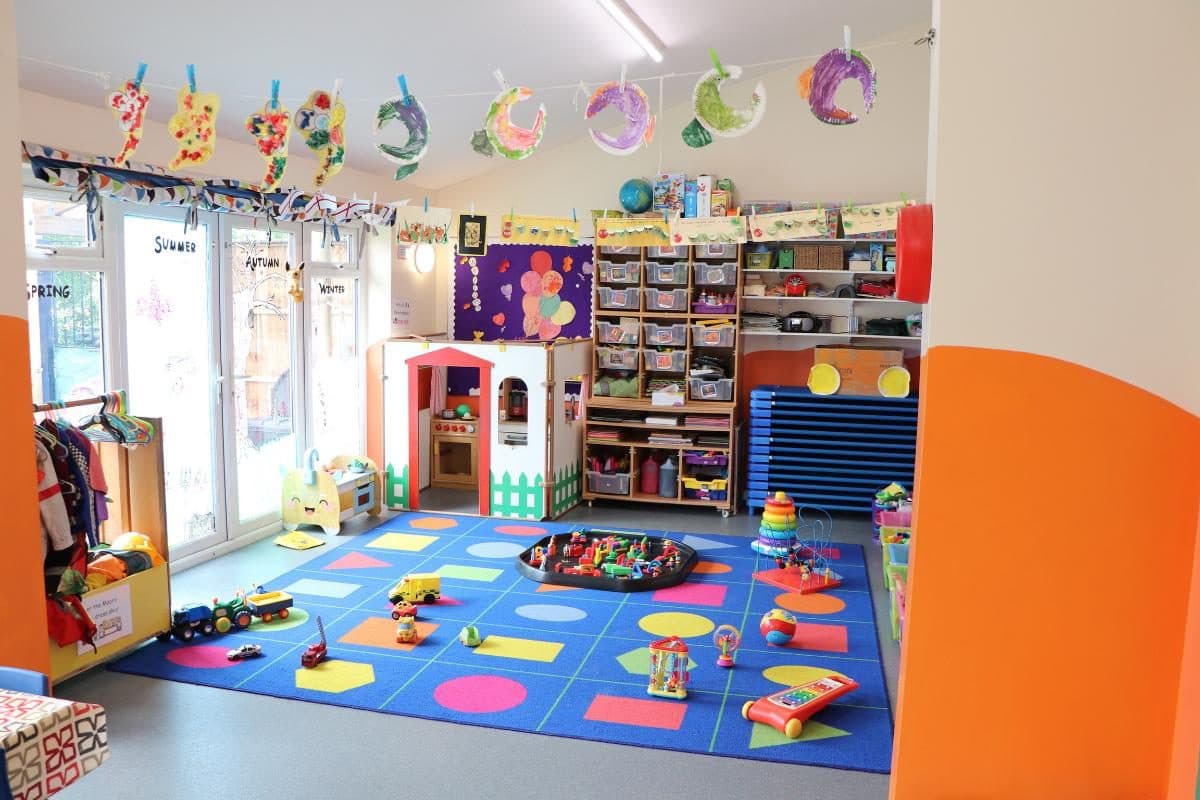
Potty training comes up in conversation at our nurseries almost every day. Parents arriving at drop-off in Marlow, Hazlemere or High Wycombe often pull me aside with the same questions: when should we start, what if it's not working, what if they're behind their friends? I understand why it feels like such a big deal. But in over twenty years of working with young children, the thing I've come back to again and again is this: the more relaxed you can be about it, the better it tends to go.
That's easier said than done, I know. So here's how we think about it at The House That Jack Built, and what I'd encourage families to consider at home.
Readiness, Not Age
There's no magic age at which potty training should begin. What matters far more is whether your child is showing signs that they're ready. We often see children who show these signs somewhere around two to three years old, but it varies enormously, and that variation is completely normal.
Signs we look for include:
- Staying dry for longer stretches during the day
- Showing awareness that they've done a wee or a poo, even if after the fact
- Being able to follow simple instructions and communicate their needs, even just pointing or using a word or two
- Showing some interest in the toilet or in wearing pants
If you're not seeing these signs yet, waiting a little longer tends to save everyone a lot of frustration. A child who isn't ready won't be helped by repeated prompting, and may start to feel anxious about something that should feel very ordinary.
What We Do at Nursery
At all our settings we have low-level toilets and potties available so children can access them easily and independently. We work closely with families on timing and approach, because it matters that what's happening at nursery matches what's happening at home. If you've decided to start at home, let us know and we'll follow your lead. If your child starts showing signs of readiness at nursery first, we'll flag it to you and we can plan together.
We handle accidents calmly and without fuss. Children are never made to feel embarrassed about an accident. It's a normal part of the process and our team treats it that way every time. Equally, when a child manages to use the toilet, we acknowledge it warmly and specifically. "You did it" rather than "brilliant" gives a child something concrete to feel proud of.
Loose, easy clothing makes a real difference during this period. Trousers with elasticated waists, or dresses and skirts for girls, mean children can manage themselves quickly when they need to go. This small practical step supports independence, which is something we think about across everything we do at nursery.
What Helps at Home
Keeping things consistent between home and nursery is probably the most useful thing you can do. A few things that parents tell us have helped:
- Letting your child see the toilet being used normally. It sounds obvious, but children learn a huge amount from watching the people they love.
- Keeping a potty somewhere visible and accessible rather than hidden away.
- Not making a lot of noise about whether they go or not. A calm "let's try" before a bath or before going out sets a routine without pressure.
- Expecting accidents and having spare clothes ready. Packing extras in their nursery bag means no one has to worry if something happens during the day.
- Avoiding pull-ups once you've started in earnest, unless for nights or long journeys. The sensation of being wet is part of how children learn to connect the feeling with what's happened.
Nights are a separate matter entirely. Many children who are dry in the day take months longer to be dry at night, and that's completely normal. We'd never suggest rushing this.
When Things Aren't Going to Plan
Sometimes a child who seemed ready seems to go backwards, or shows real distress about the toilet. This can happen during times of change, like starting nursery, a new sibling arriving, or a house move. In our experience, the best response is to take a step back, remove any pressure and try again in a few weeks. It isn't failure. It's just children being children.
If you're genuinely worried that something else might be going on, a conversation with your GP or health visitor is always worthwhile. The NHS Start for Life guidance is also a helpful starting point for families looking for reassurance.
We're always happy to talk this through with you at nursery. Your child's key person will have a good sense of where your child is and what's likely to help, so do use them as a sounding board.
If you'd like to see how we work day to day, I'd love to show you round. You're welcome to book a show-around at either our Marlow Bottom or Hazlemere settings, and see the spaces and meet the team for yourself.
Come and see us for yourself
Book a relaxed tour of The House That Jack Built and meet our team.
Book a tourOther guides you might like
Child Development
Why outdoor play matters so much in the early years
Outdoor play is one of the most valuable parts of a young child's day. Here's what we see every day at our nurseries in Marlow, Hazlemere and High Wycombe, and why we think time outside deserves to be taken seriously.
Child Development
Why outdoor play matters so much in the early years
Outdoor play is far more than fresh air and running around. Margaret, Owner and Director at The House That Jack Built, shares what she sees every day and why getting outside is one of the most valuable things we offer young children.
Child Development
Growing Up with Two Languages: What We See in Our Nursery Every Day
Bilingual children sometimes take a different path through early language development, and that can worry parents. Here is what we actually observe day to day, and how we support families navigating two languages.
Frequently asked questions
How do you handle potty training accidents at nursery?
We handle every accident calmly and without any fuss or embarrassment. Our team simply helps the child change into fresh clothes, which is why we ask families to keep plenty of spare clothing in their child's nursery bag during this period. The aim is always for the child to feel comfortable and confident, not anxious.
Should I wait until my child is dry at home before starting potty training at nursery?
Not necessarily. We find it works best when home and nursery are working together from the start rather than one following the other. If your child is showing signs of readiness, let us know and we'll work in partnership with you. Consistency between home and nursery makes the whole process smoother and less confusing for your child.
What age do children in the toddler and pre-school rooms tend to start potty training at The House That Jack Built?
There's no set age, and we wouldn't want there to be. We follow each child's individual readiness rather than a timeline. Most children begin somewhere between two and three years old, but some are ready earlier and some later. Your child's key person will keep you informed of any signs they're noticing day to day.
Can I come and see the nursery and talk through how you support this kind of milestone?
Absolutely. We're always happy to show families around and answer questions about how we support children through potty training and other everyday milestones. You can book a show-around at our Marlow Bottom or Hazlemere settings and meet the team in person. It's a great way to get a feel for how we work.