

Child Development
Why Messy Play Matters More Than You Might Think
Written by Margaret, Owner & Director at The House That Jack Built
Paint on the table, mud on the wellies, cornflour in the hair. If you've ever collected your child from nursery and wondered what on earth happened, the answer is almost certainly: a very good day.
I'm Margaret, and I've been running The House That Jack Built since 2000, when my son Jack was just nine months old. In the years since, across our settings in Marlow, Hazlemere, and High Wycombe, I've watched thousands of children discover the world through their hands, their senses, and sheer curiosity. Messy play sits right at the heart of that.
What we actually mean by messy play
Messy play isn't a single activity. It's any experience where children engage directly with materials using their senses. At our settings, that might look like:
- Finger painting or printing with natural objects
- Sand and water play, indoors and outside
- Mixing cornflour and water to make oobleck (a particular favourite)
- Playing with dough, clay, or mud kitchens
- Exploring textures like dried pasta, lentils, or autumn leaves
- Digging in our growing areas and getting genuinely earthy
None of these things are messy for the sake of it. Each one offers something specific and important to a child's development.
The learning that happens when it looks like play
I often see parents pause slightly when they watch messy play from a distance, as if they're not quite sure what their child is doing. What I see is concentration, problem-solving, and language happening all at once.
When a toddler pushes their hands into wet sand, they're building an understanding of cause and effect. When they mix two colours of paint and notice a third appears, they're doing early science. When they sit alongside another child and start negotiating who gets the big brush, they're practising communication and turn-taking. These are not small things.
Sensory play also builds the kind of fine motor control that children will need later for writing and self-care. Squeezing, pouring, pressing, and moulding all strengthen the hands and fingers in a way that a worksheet simply cannot. We follow the EYFS statutory framework, and messy play supports multiple areas of learning within it, from physical development to expressive arts, from communication to understanding the world.
What we notice about children who are hesitant
Not every child dives straight in, and that's completely normal. We see this regularly, children who stand at the edge of an activity, watching, sometimes for weeks, before they feel ready to touch.
We never push. Our approach is always to follow the child's lead, offer the experience, and let them find their own way in at their own pace. A child who spends three sessions watching the sand tray before putting in one careful finger is still learning. Observation is part of play too.
For children who find certain textures genuinely uncomfortable, we take that seriously. Some children have sensory sensitivities that benefit from a more gradual, supported approach, and we work closely with families to understand what feels right for their child.
Outdoors makes it better
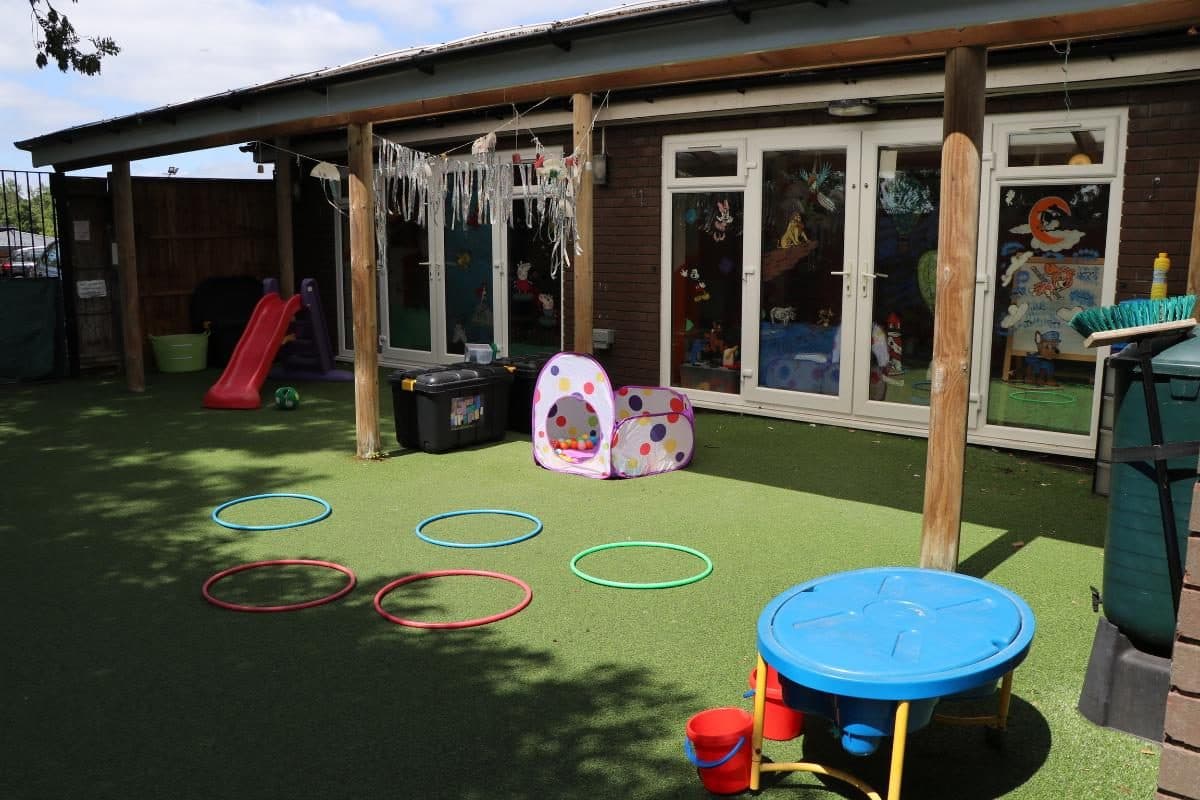
All of our settings use free flow access between indoors and outdoors, which means messy play doesn't have to happen at a table. Some of the best messy play we see happens entirely outside.
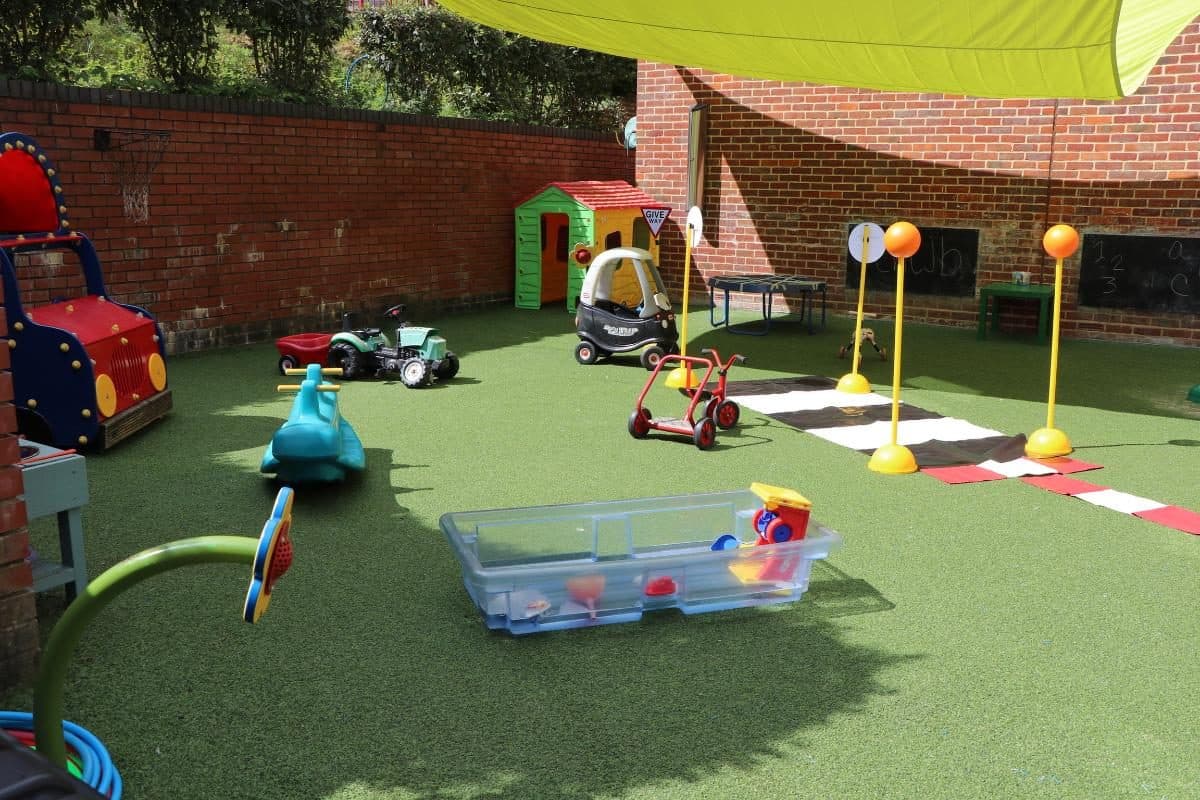
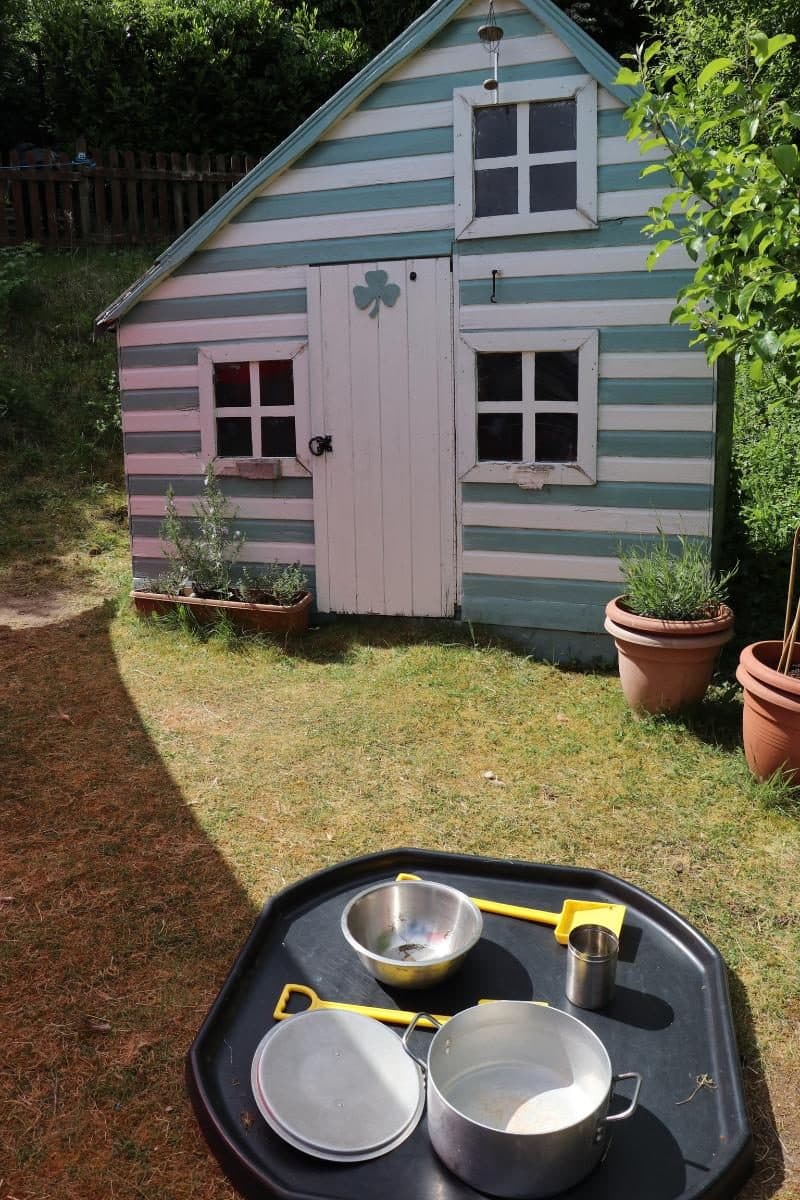
At Marlow Bottom, children have access to our secure outdoor grounds. At Hazlemere, we have two on-site play areas and a nearby park for regular outings. Mud kitchens, puddle jumping, collecting, digging, finding minibeasts under logs: all of this counts, all of it matters, and all of it is richer for being outside in real weather with real materials.
A note for parents who worry about the mess at home
Parents often ask us how to do more of this at home without losing their minds. Honestly, you don't need to recreate nursery in your kitchen. A tray of dried rice, a bowl of water and some cups, or a patch of garden where digging is allowed: these things are enough. The key is being present, following what your child is drawn to, and trying not to tidy up while they're still in the middle of it.
If your child comes home happy, engaged, and slightly grubby, something good happened today. I've always believed that.
If you'd like to see how we approach messy play, and early years learning more generally, at our Marlow or Hazlemere settings, we'd love to show you around. Book a show-around and come and see us in action, or if you'd prefer something a little more relaxed first, our Stay and Play sessions are a lovely way to visit with your child at your own pace.
Come and see us for yourself
Book a relaxed tour of The House That Jack Built and meet our team.
Book a tourOther guides you might like
Child Development
Growing Up with Two Languages: What We See in Our Nursery Every Day
Bilingual children sometimes take a different path through early language development, and that can worry parents. Here is what we actually observe day to day, and how we support families navigating two languages.
Child Development
Why outdoor play matters so much in the early years
Outdoor play is one of the most valuable parts of a young child's day. Here's what we see every day at our nurseries in Marlow, Hazlemere and High Wycombe, and why we think time outside deserves to be taken seriously.
Child Development
How Nursery Supports Your Child's Social Skills From the Very Beginning
Social skills don't just appear when children start school. We share what supporting them looks like day to day at nursery, and why the early years matter so much.
Frequently asked questions
At what age can children start doing messy play?
From a very young age. Even babies benefit from simple sensory experiences like different textures and temperatures. We introduce age-appropriate messy play from the baby room upwards, always with close supervision and an eye on what each individual child is ready for and comfortable with.
What if my child really doesn't like getting their hands dirty?
We see this regularly and never force it. Some children need longer to observe before they join in, and others have genuine sensory sensitivities we take seriously. We always follow the child's lead, and for children who need extra support we work alongside families to find an approach that feels right.
Does The House That Jack Built do messy play indoors and outdoors?
Both, yes. All our settings use free flow between indoors and outdoors throughout the day, so messy play happens wherever it makes most sense. Mud kitchens, growing areas, and outdoor digging are as much a part of our routine as paint and dough inside. At Marlow and Hazlemere, children have access to secure outdoor spaces every day.
Can I come and see the nursery before deciding?
Absolutely. The best way to get a real feel for how we work is to come and see us. You're welcome to [book a show-around](/book) at our Marlow Bottom or Hazlemere settings, where you can meet the team, look around, and ask any questions you have about how we approach learning and play.