

Child Development
Why Messy Play Matters More Than You Might Think
Written by Margaret, Owner & Director at The House That Jack Built
Mud kitchens, paint-covered hands, gloop that defies description. Messy play can feel chaotic, but what children are doing in those moments is anything but random.
At The House That Jack Built, messy play is part of daily life across our settings in Marlow, Hazlemere, and High Wycombe. It is not an occasional treat we wheel out on a rainy Tuesday. It is woven into how children explore, communicate, and make sense of the world around them. I have been watching children play in this way since I opened the nursery in 2000, and I am still struck by what you can observe when a two-year-old gets their hands into a tray of wet sand for the first time.
What is actually happening during messy play?
When a child squishes cornflour paste between their fingers or tips a jug of water repeatedly into a bowl, they are not just making a mess. They are:
- Building fine motor skills and hand strength that will later support writing and drawing
- Developing language as they reach for words to describe what they feel, smell, and see
- Learning early scientific concepts like wet and dry, heavy and light, full and empty
- Processing emotions in a low-pressure environment where there is no right or wrong outcome
- Practising sustained concentration and problem-solving
We find that children who seem reluctant to engage in structured activities will often lose themselves completely in open-ended messy play. There is something about the sensory quality of it that draws children in and holds their attention in a way that is hard to replicate.
The sensory dimension
For very young children, touch is one of the primary ways they understand the world. Babies and toddlers in our nursery spend a lot of time exploring textures because that is developmentally exactly where they should be. Offering safe, varied sensory experiences, whether that is cool jelly, damp soil from the garden, dry rice, or thick paint, gives children the input their nervous systems are actively seeking.
For some children, particularly those who find certain textures overwhelming, messy play done gently and at the child's own pace can gradually build tolerance and confidence. We never force a child to engage. We put the materials within reach and follow their lead. More often than not, curiosity does the rest.
What about the mess?
Parents often ask us how we manage the practical side of it, and I understand why. At home, the thought of finger paint on a kitchen table can feel like more effort than it is worth. In a nursery setting, we can prepare the space, dress children appropriately, and clear up without it derailing the whole morning.
But I would gently encourage families not to avoid messy play at home altogether. It does not need to be elaborate. A bowl of warm water and a few cups in the garden, a tray of dried pasta, playdough on the kitchen table. These things cost very little and offer a huge amount in return. The mess is usually more manageable than we expect, and children carry the learning from it long after the clean-up is done.
How we approach it across our settings
Our free flow system means children can move between indoor and outdoor spaces throughout the day, which gives us real flexibility with messy activities. Outdoor areas lend themselves naturally to digging, water play, and mud kitchens. Indoors, we set up smaller-scale sensory trays and creative materials that children can access and revisit in their own time.
We tailor the type of messy play to the age and stage of the children involved. What works for a toddler group in Hazlemere is not necessarily the same as what we offer in our pre-school room in Marlow. The principles are the same but the materials, the language we use, and the challenges we introduce all shift as children develop.
Across our High Wycombe families we also hear a lot about children wanting to recreate things they have done at nursery once they get home. That, to me, is one of the clearest signs that an activity has genuinely captured a child's interest.
A note on school readiness
There is sometimes an assumption that as children approach the age of four or five, play should become more formal and structured. We would push back on that gently. Messy play continues to support development right up to school age. The child who has spent time pouring, measuring, and mixing in a water tray has been doing mathematics. The child who has mixed red and yellow paint and discovered orange has been doing science. The language they have built around those experiences goes with them into the classroom.
Play is not the opposite of learning. At this age, it is the primary vehicle for it.
If you would like to see how we work with children at The House That Jack Built, we would love to show you around. You can book a show-around at whichever of our settings is most convenient, whether that is Marlow, Hazlemere, or High Wycombe. If you would prefer something a little more relaxed first, our Stay and Play sessions are a lovely way to spend some time with us before making any decisions.
Come and see us for yourself
Book a relaxed tour of The House That Jack Built and meet our team.
Book a tourOther guides you might like
Child Development
Why Messy Play Matters More Than You Might Think
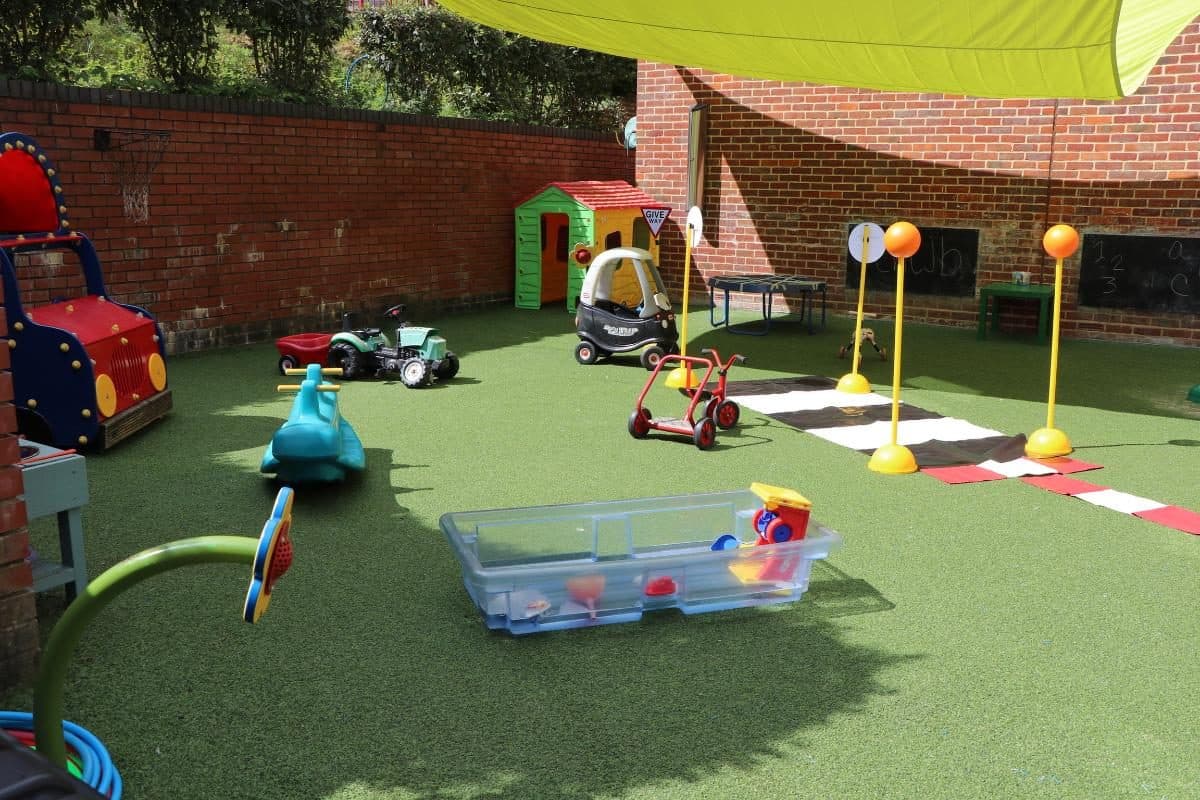
Paint-covered hands and muddy knees are a common sight at The House That Jack Built. Here Margaret explains why messy play is one of the most valuable things we offer young children.
Child Development
Growing Up with Two Languages: What We See in Our Nursery Every Day
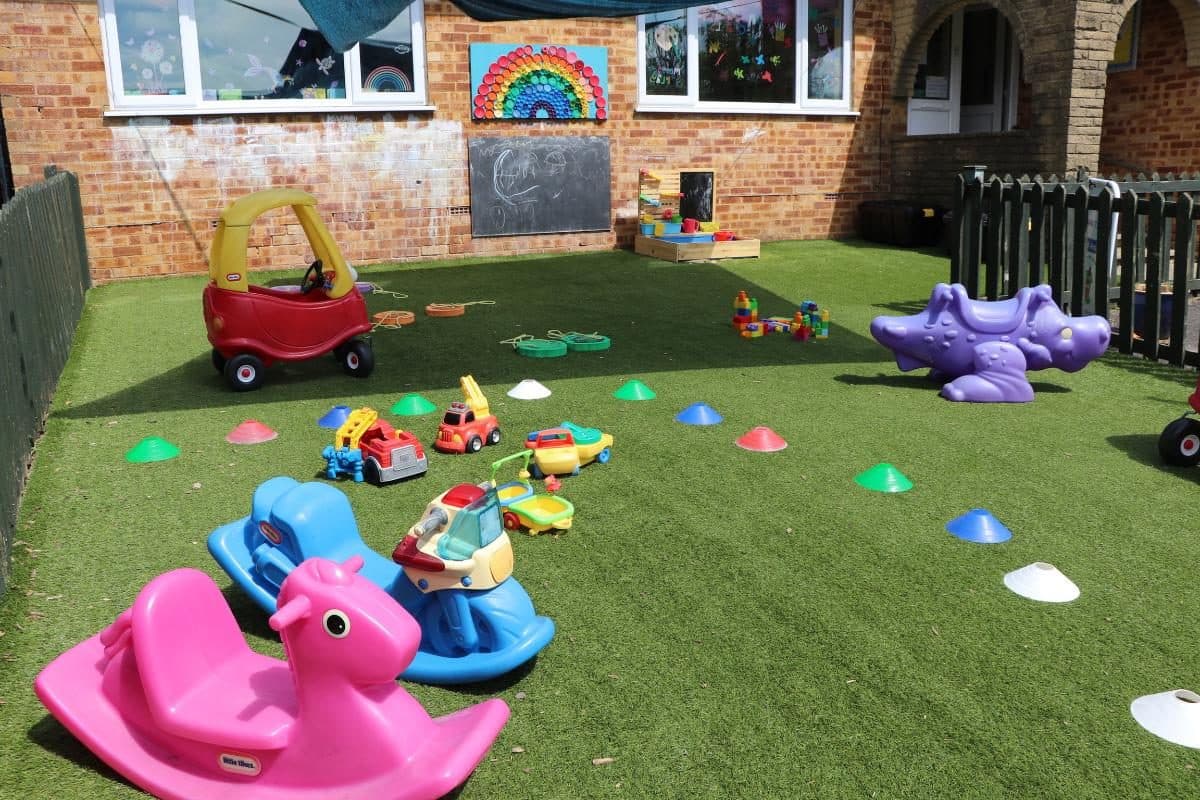
Bilingual children sometimes take a different path through early language development, and that can worry parents. Here is what we actually observe day to day, and how we support families navigating two languages.
Child Development
Why outdoor play matters so much in the early years
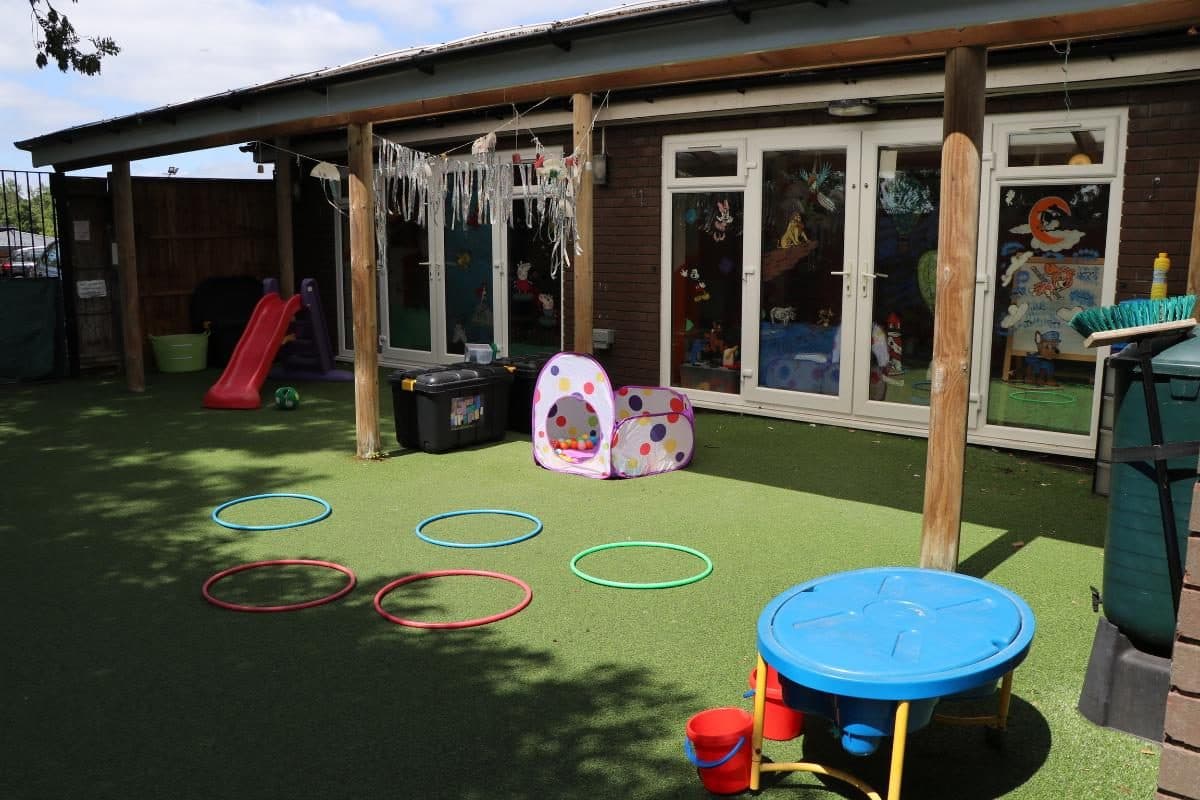
Outdoor play is one of the most valuable parts of a young child's day. Here's what we see every day at our nurseries in Marlow, Hazlemere and High Wycombe, and why we think time outside deserves to be taken seriously.
Frequently asked questions
At what age should children start doing messy play?
From very early on. Even babies benefit from safe sensory experiences such as touching different textures or feeling cool water. We introduce messy play from our baby room upwards, always adapting the materials to be age-appropriate and safe. There is no age at which it stops being valuable either.
My child hates getting their hands dirty. Should I push them?
We would never suggest forcing it. Some children find certain textures genuinely uncomfortable, and that deserves to be respected. We find that offering messy materials nearby, without any pressure to engage, often leads to gradual curiosity. Tools like spoons or sticks can help a reluctant child join in on their own terms.
Does The House That Jack Built offer funded hours for younger children?
Yes. We accept funded hours for eligible families. Since September 2025, eligible working parents can access funded hours from when their child is 9 months old. To check what you are entitled to, visit childcarechoices.gov.uk. You can also find more detail on our [fees and funding page](/fees).
Can I come and see the nursery before enrolling?
Absolutely. We welcome visits at all our settings in Marlow, Hazlemere, and High Wycombe. The best way to get a proper feel for how we work is to [book a show-around](/book). If you would like something more informal first, our Stay and Play sessions are open to families who want to spend time with us without any commitment.