
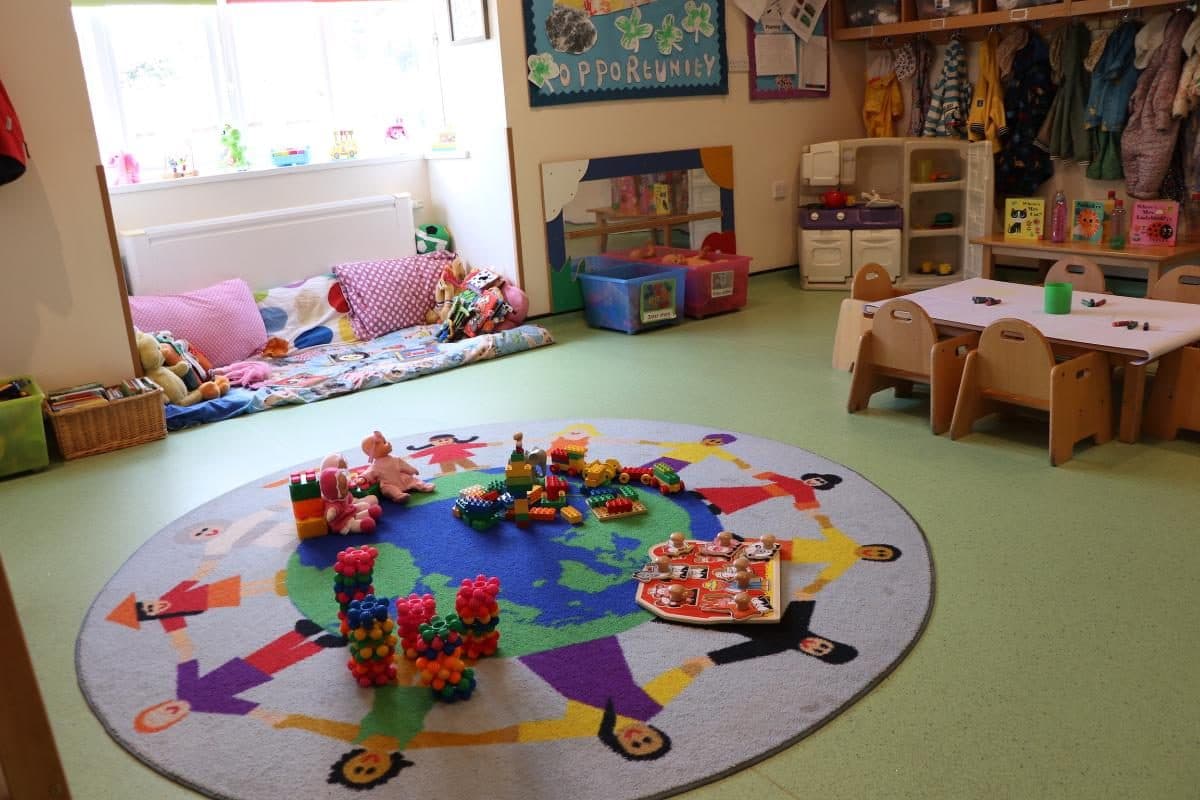
 3 months to 2 years
Babies
- Ratio
- 1:3
- Outdoor access
Sensory play, secure attachments, and supporting each child's individual routine
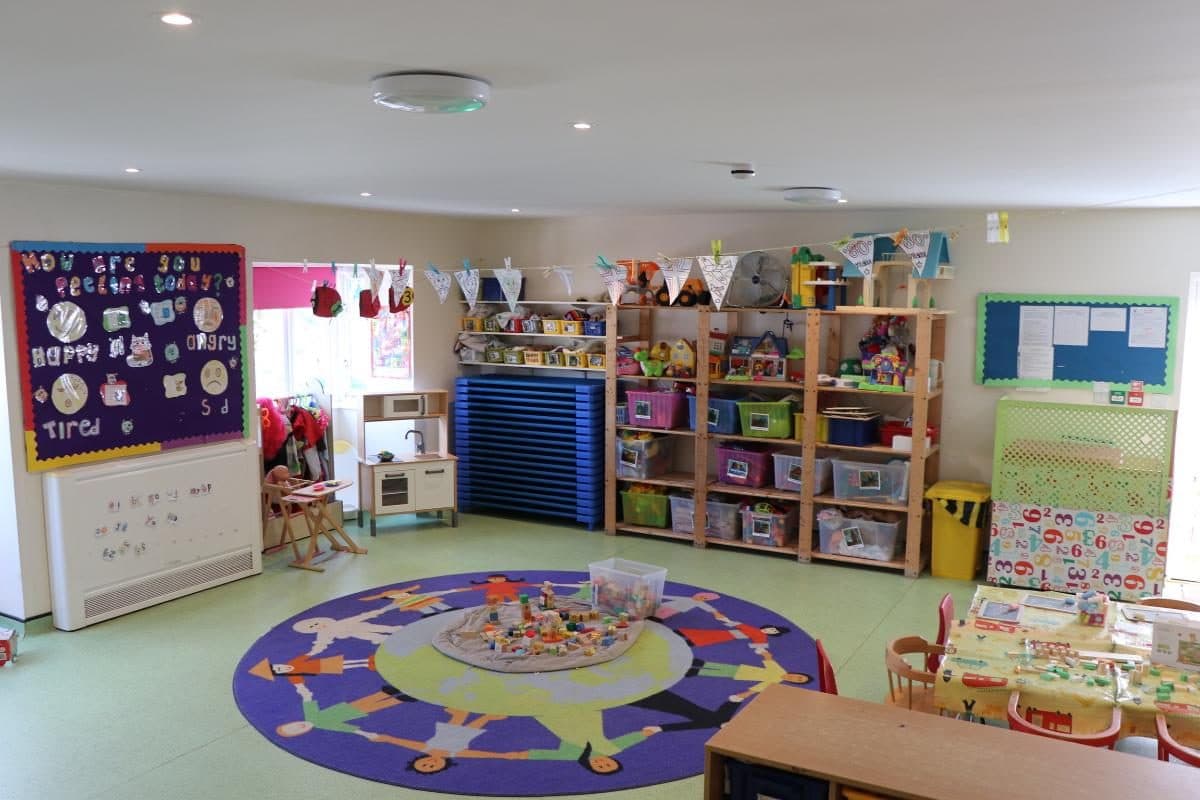
Two to three is a big year. Vocabulary explodes almost overnight, phrases start joining up into little sentences, and children go from watching other children play to genuinely wanting to be part of it. They are also working out who they are, which is why this age comes with such determined opinions about shoes, snacks and who gets to hold the watering can. None of that is difficult behaviour. It is exactly what should be happening at this stage, and our Toddler room is built around it rather than against it.
The days here follow a settled rhythm of group and individual play, books, music, art and outdoor time, so children know roughly what comes next while still having real choices within it. Mealtimes are a quiet focus for independence, with children encouraged to do more for themselves as they are ready, whether that is serving a spoonful or managing their own cup. With a 1:5 ratio, staff have the time to actually follow a child's lead, sit with them through a strong feeling, or draw out the next new word rather than just supervising from a distance.
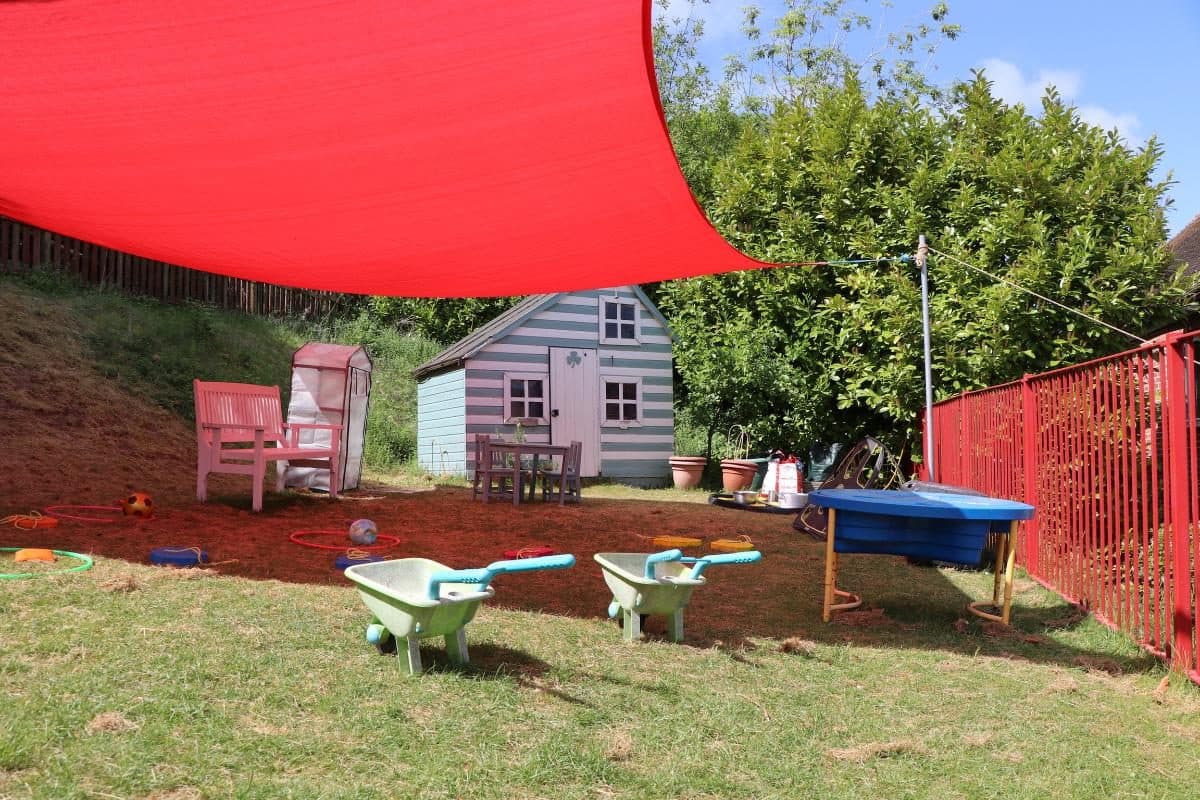

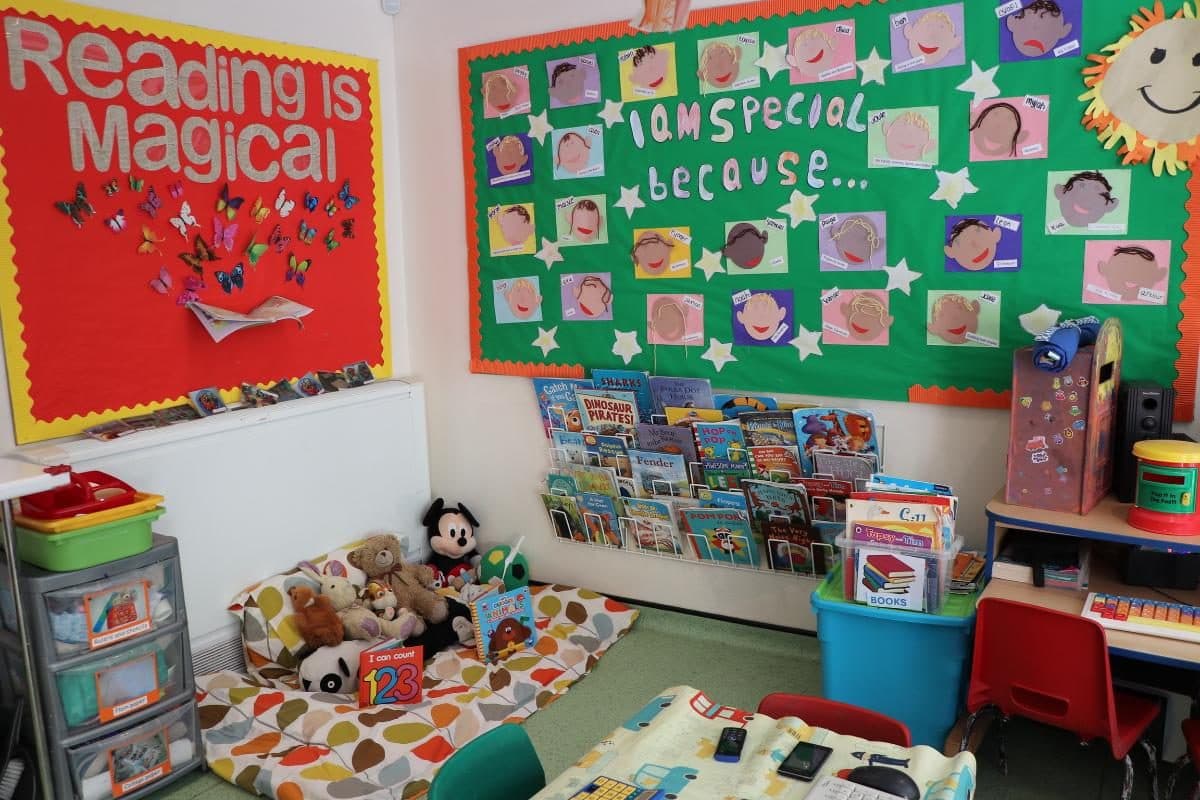
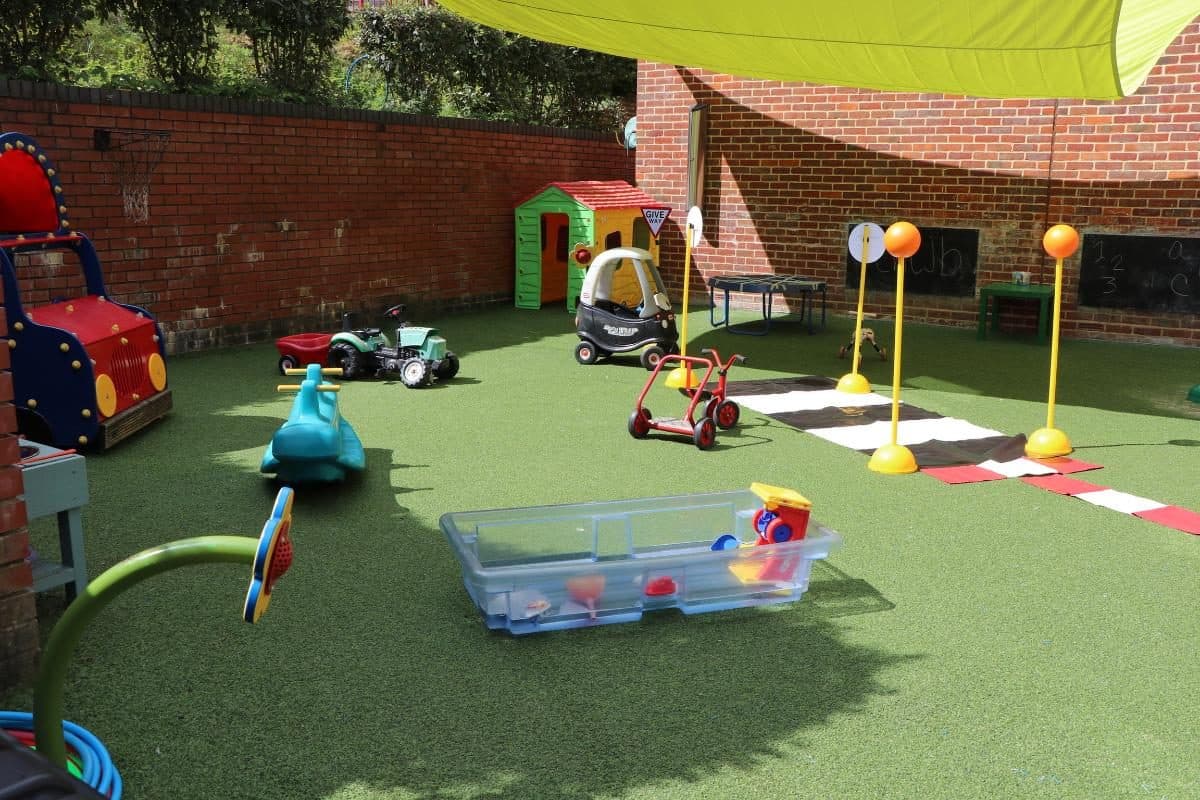
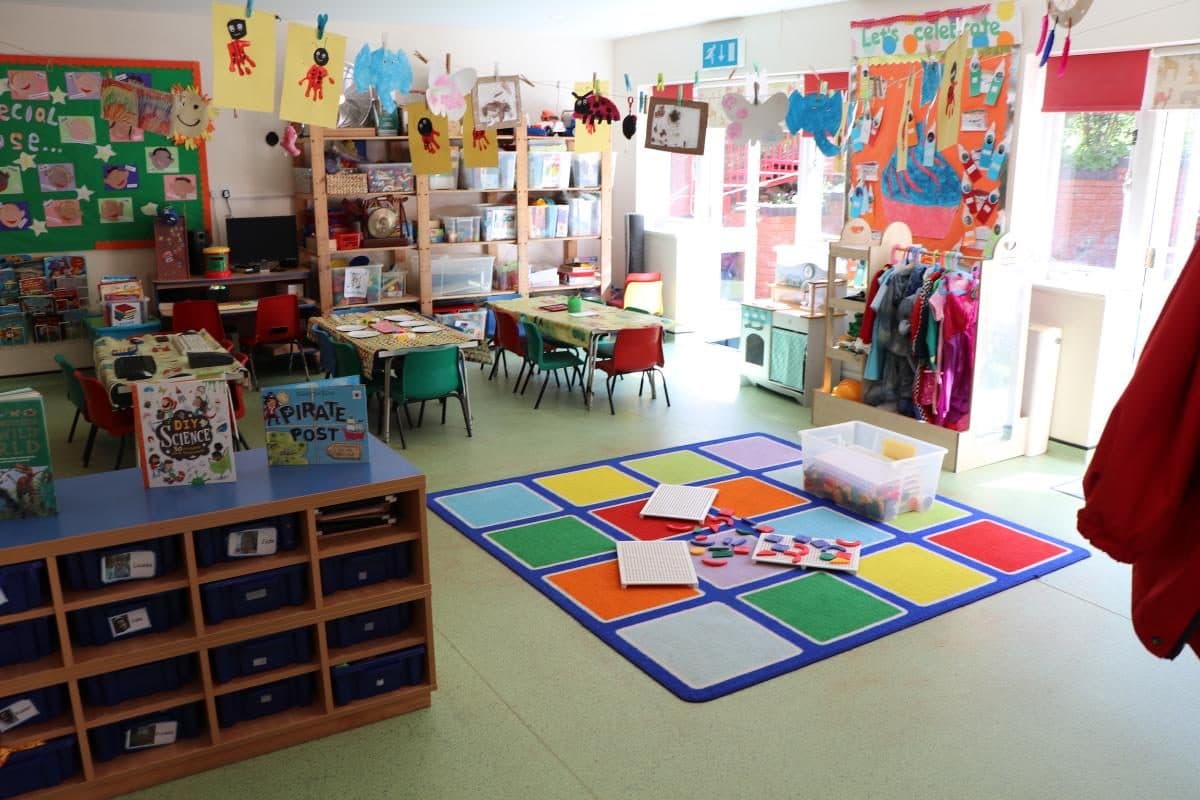
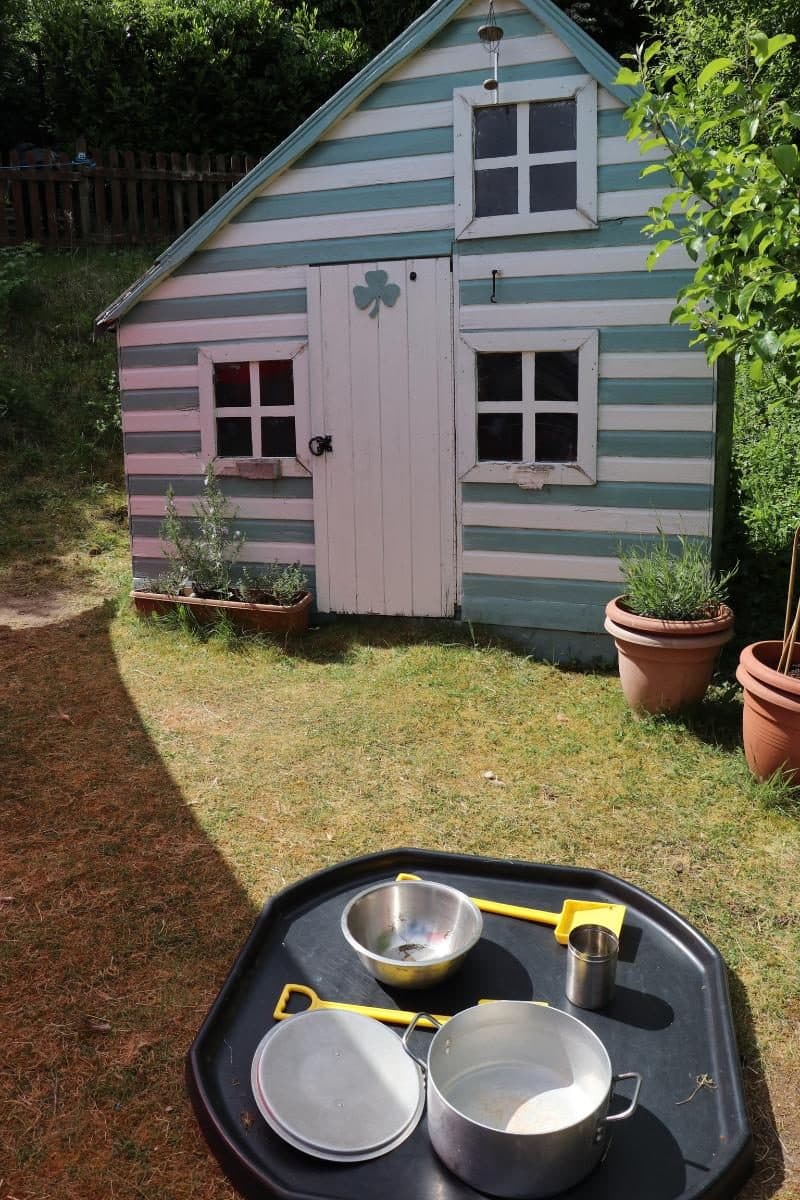
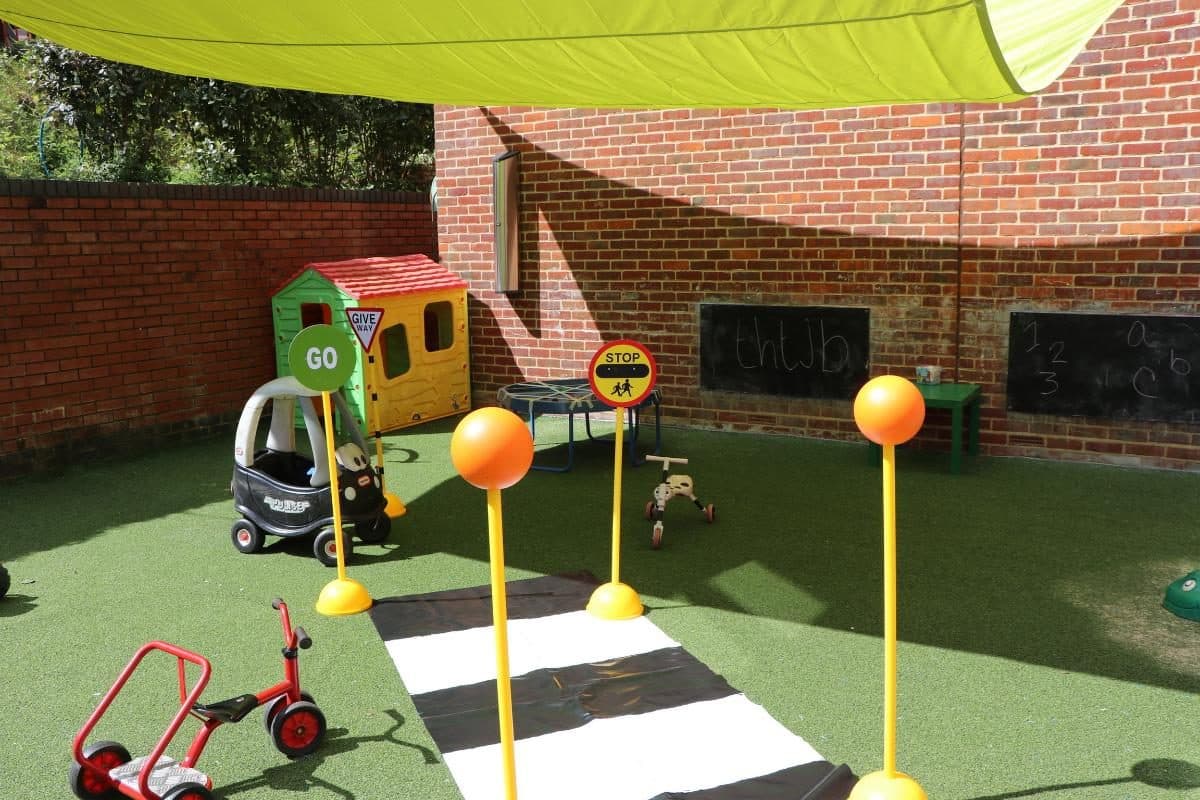
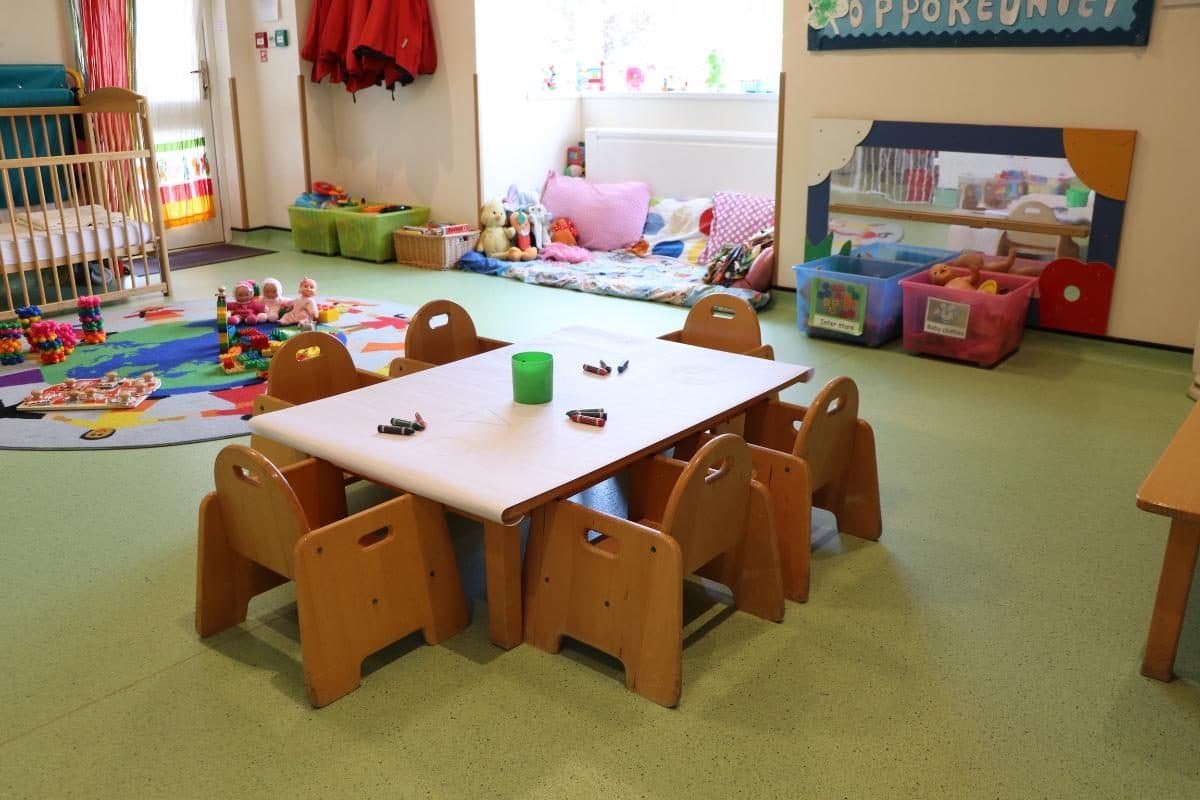
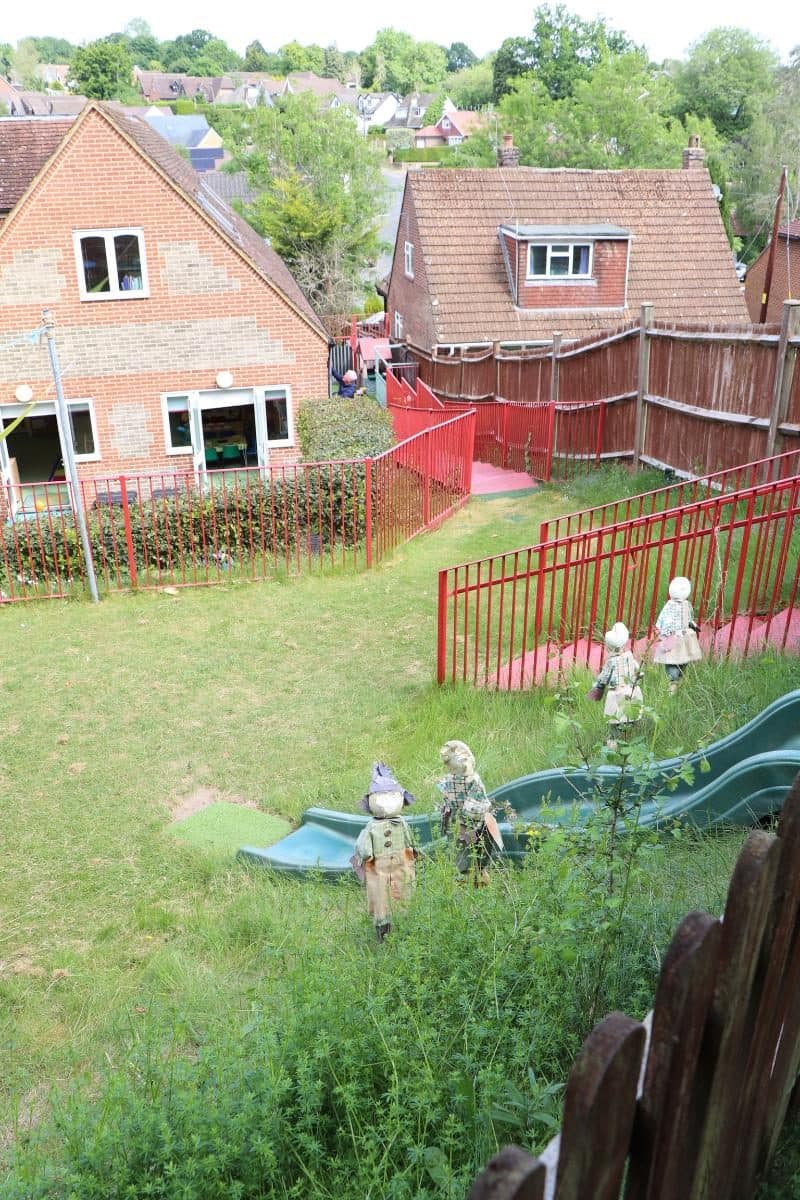
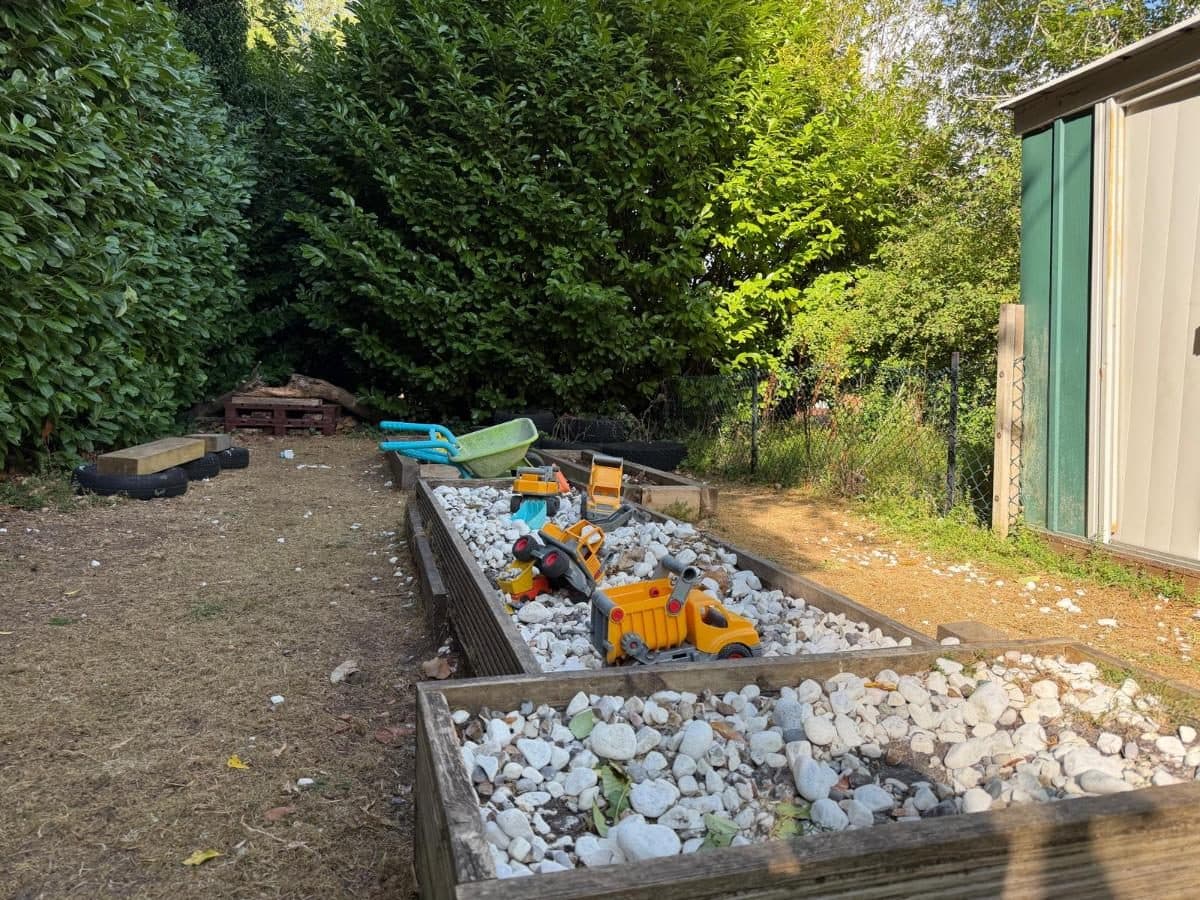
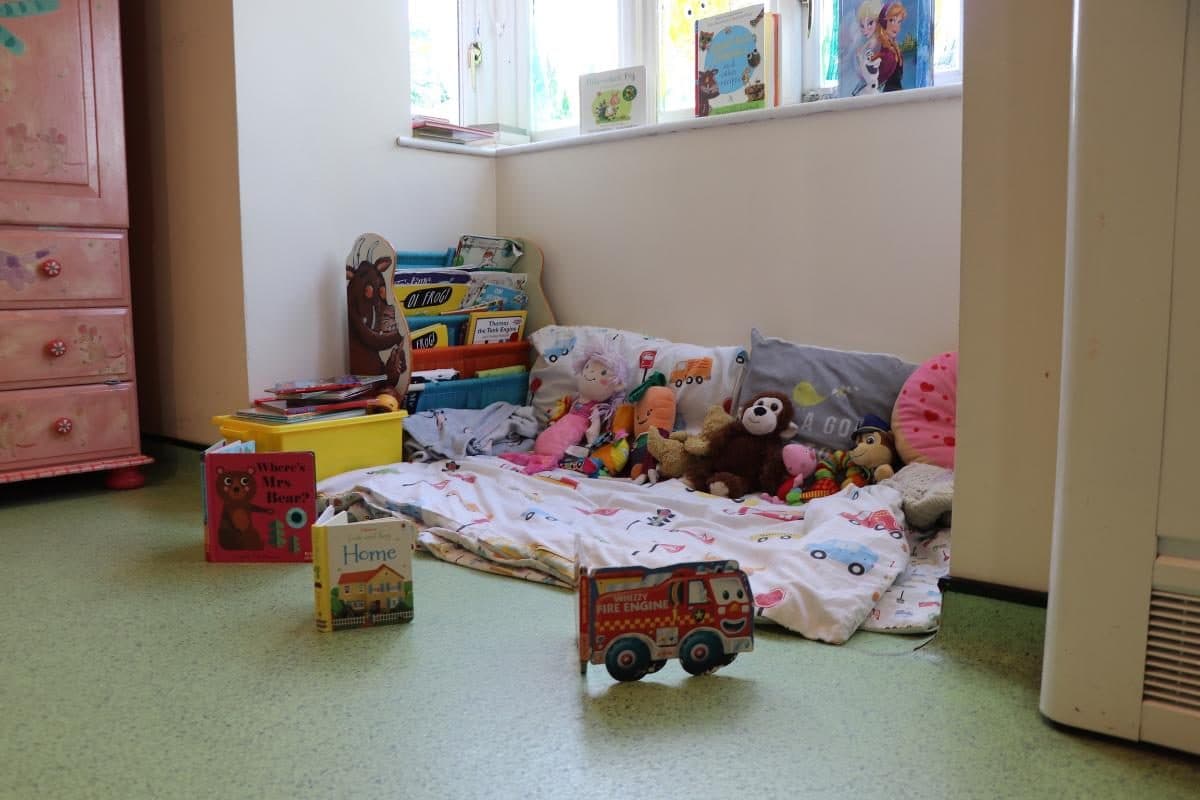
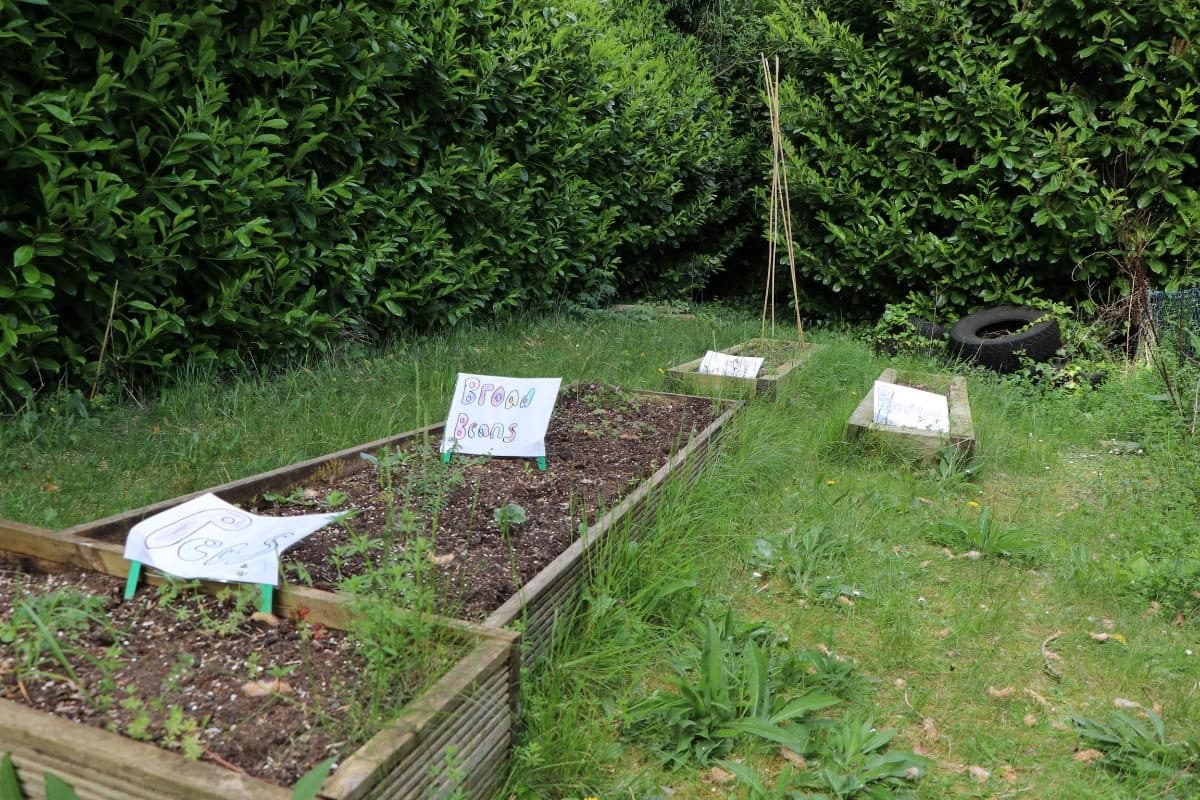
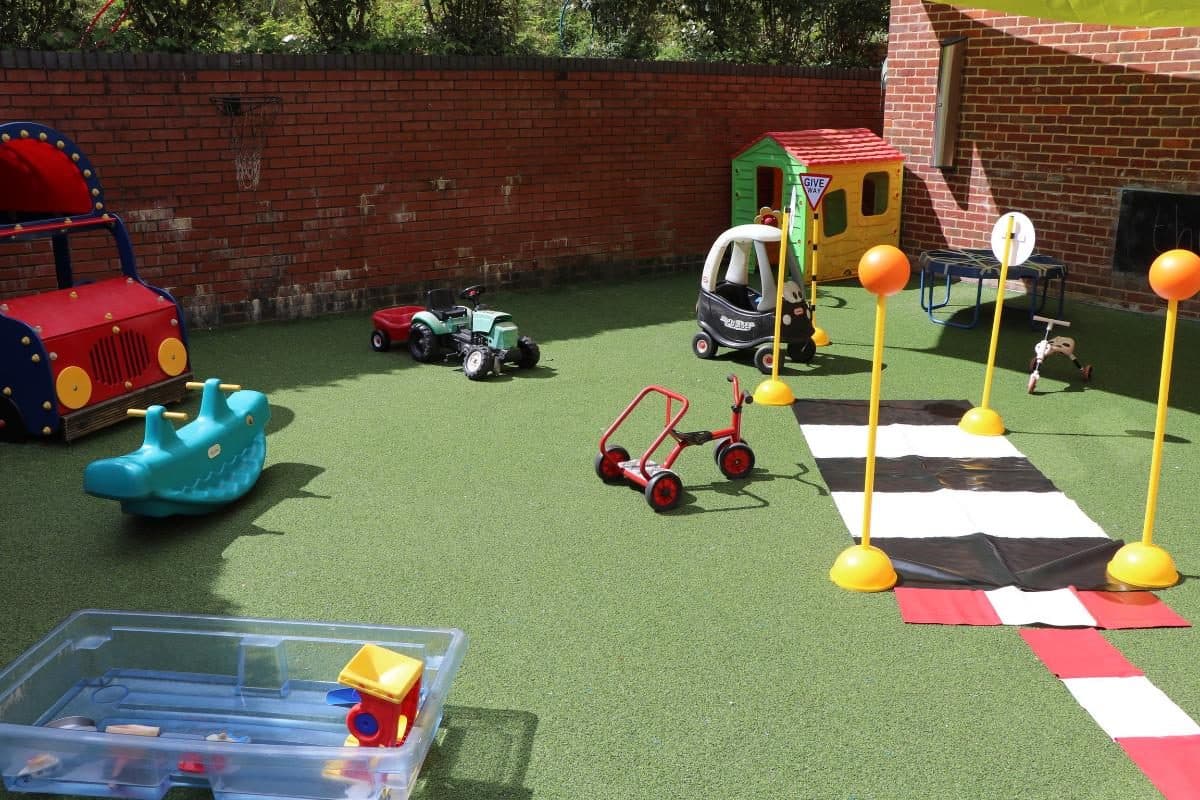
Rest matters just as much as activity at this age. Children have a regular daily sleep on beds, with sheets kept just for them, classical music playing and the lights dimmed, so wind-down feels calm and familiar rather than rushed. Outdoor access is part of every day too, not saved for good weather, with the garden, mud kitchen and wider outdoor learning giving children room to move, test their bodies and notice the world in a way no indoor space fully replicates.
Come and see it for yourself
Book a tourImaginative play, early language and independence sit at the heart of what we focus on in this room, and that shows in the small details: real conversations at the snack table, dressing-up corners that turn into whole stories, an art studio where the process matters more than the finished picture. The nursery has been rated Good by Ofsted, and Margaret, who opened the nursery in 2000 for her own son Jack, still shapes the same family instinct behind it today.
A tour is the best way to know whether we are the right fit. Meet our team, explore the spaces, and ask us anything.
See us in actionThings parents ask us
The day moves through a settled mix of group and individual play, books, music, art and outdoor time, with children given real choices within that structure rather than being herded through a fixed timetable. Mealtimes are woven in as opportunities for growing independence, not just a break in the day. There is also a regular rest period, so the rhythm of the day balances high energy with proper downtime.
With one adult for every five children, staff have the time to sit through a tantrum rather than just manage it, or follow a child's fascination with puddles for ten minutes instead of moving them along. At this age, where language is developing fast and independence is being tested constantly, that level of attention is what turns a passing interest into real learning.
Children rest on beds each day, using sheets kept just for them rather than shared bedding, with classical music and dimmed lighting to help them wind down. It is a proper part of the daily routine rather than an afterthought, which matters at an age when big feelings and physical activity can be tiring in equal measure.
Two to three is when vocabulary tends to grow very quickly and children start putting words together into short phrases, so conversation is built into everything from snack time to imaginative play rather than treated as a separate lesson. Books, music and small-group play all give children reasons to talk, ask and respond. Staff follow the child's own interests, which tends to draw out far more language than any adult-led script would.
Testing boundaries and struggling with big feelings is completely normal at this age, not a sign anything is wrong. Staff stay calm and consistent, giving the child space to feel what they are feeling while gently naming it and helping them find their way back to steady ground. With five children per adult, there is genuinely time to do this properly rather than rushing a child through it.
The nursery treats parents as genuine partners rather than passive recipients of updates, with open conversation at drop-off alongside more considered termly updates on progress. Where something needs extra attention, whether that is behaviour, emotional wellbeing or a specific skill, staff work alongside parents directly, sharing the same strategies used in the room so there is consistency between nursery and home.
Ofsted registered, inspected, and rated Good
All nurseries are Ofsted rated Good. Reports are available for every location so you do not have to take our word for it.
"Children develop strong social skills and gain high levels of confidence."